


How Do I Install Composite Decking Railing Systems?
Updated: Oct 14
AI Summary
Composite decking railing installation requires specific tools, proper post spacing, and understanding of different mounting systems for safe and secure results.
Pre-drilling, using stainless steel fasteners, and following manufacturer torque specifications prevents cracking and ensures long-term durability.
Different composite railing brands like Trex and TimberTech have unique installation requirements that must be followed precisely for warranty coverage.
Having all materials on hand before starting, including proper brackets and hardware, eliminates mid-project delays and ensures professional results.
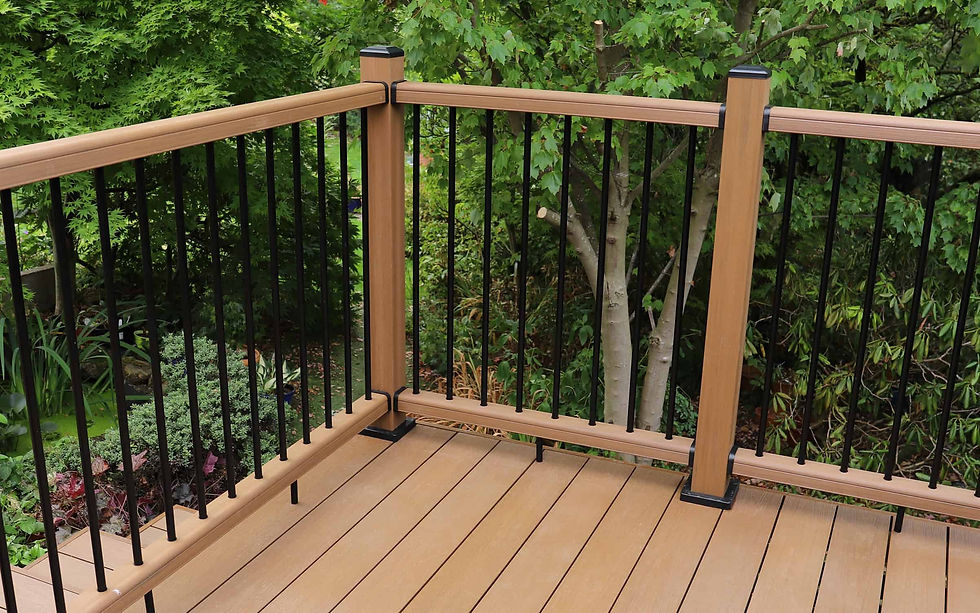
Installing composite decking railings seems straightforward until you realize each brand has different mounting systems, spacing requirements, and hardware specifications. Many Western Pennsylvania homeowners start this project confident they can handle it, only to discover halfway through that they need specific brackets, pre-drilling techniques, or specialized fasteners they don't have on hand.
The frustration multiplies when you realize that improper installation can void your warranty, create safety hazards, or lead to premature failure of expensive materials. Understanding the right approach to composite decking railing installation helps you plan properly, source the correct supplies, and achieve professional results. For contractors and DIY enthusiasts, having access to quality materials and expert guidance makes the difference between a weekend project and a weekend headache, which is why many turn to Trex Composite Decking & Railing suppliers who stock everything needed for the job.
Essential Steps for Composite Decking Railing Installation
Composite decking railing installation follows a systematic approach that ensures safety, durability, and warranty compliance. The process requires attention to detail and proper preparation to avoid common pitfalls that can compromise your investment in quality materials.
Measure and mark post locations according to manufacturer specifications, typically 6 to 8 feet apart depending on the railing system requirements
Install posts using appropriate brackets or direct-mount hardware, ensuring they are plumb and properly secured to the deck structure with 5/16" lag bolts or through-bolts
Cut rail sections to length, accounting for 1/8" thermal expansion gaps specified by most manufacturers for temperature movement
Attach rails to posts using the recommended stainless steel fasteners with torque specifications between 25-30 ft-lbs to prevent over-tightening
Install balusters or infill panels, maintaining 4" maximum spacing for code compliance and proper aesthetic appeal
Common Mistakes That Compromise Railing Performance
Over-tightening fasteners ranks as the most frequent error in composite railing installation. Composite materials expand and contract with temperature changes, and excessive torque can crack the material or prevent proper movement. Many installers treat composite railings like wood, applying the same techniques without considering the different material properties that require specific installation approaches.
Ignoring manufacturer-specific requirements creates another major problem. Each brand has engineered their system with particular hardware, spacing, and installation methods. Mixing components from different manufacturers or substituting hardware may save money upfront but often leads to premature failure, voided warranties, and potential safety issues down the line.
Inadequate post spacing represents another critical error that affects both safety and appearance. Posts spaced beyond manufacturer recommendations can create dangerous flex in the railing system, while improper structural attachment to deck joists or blocking can lead to catastrophic failure under load.
How CGR Wholesale Roofing & Siding Supply Center Approaches Railing Material Selection
CGR stocks complete railing systems from trusted manufacturers, ensuring customers get all compatible components for their specific installation needs. Rather than piecing together parts from different sources, having everything from one manufacturer eliminates compatibility issues and simplifies the installation process for both professionals and DIY enthusiasts.
Our inventory includes TimberTech Composite Decking railing systems alongside other premium brands, giving contractors and homeowners options that match their deck materials and design preferences. Each system comes with detailed installation instructions and the specific hardware needed for proper assembly, including torque specifications and spacing requirements.
Understanding Different Mounting Systems
Post-mount systems attach directly to the deck posts or structure, providing maximum strength for high railings or areas with heavy use. These systems typically require 1/2" through-bolts or 5/16" lag screws into solid framing members, making proper structural attachment critical for safety and code compliance with 200-pound load requirements.
Surface-mount brackets offer easier installation for existing decks where access to structural members is limited. However, these systems require careful attention to fastener placement and may have lower load ratings than post-mount systems, making them better suited for standard residential applications with proper blocking underneath.
Hardware and Fastener Requirements
Stainless steel fasteners prevent corrosion and staining that can occur with standard galvanized hardware. The investment in proper 316-grade stainless steel fasteners protects both the appearance and structural integrity of the railing system over time, especially in Western Pennsylvania's variable weather conditions with freeze-thaw cycles.
Pre-drilling prevents cracking and ensures clean installations, particularly important with darker composite materials that show stress marks more readily. Using the correct drill bit size, typically 1/64" smaller than the fastener diameter, and drilling to precise depths prevents both under-drilling that can cause splitting and over-drilling that weakens the connection.
Material Costs and Planning Considerations for Belle Vernon Projects
Composite railing materials typically cost more upfront than traditional wood alternatives but offer long-term value through reduced maintenance requirements and 25-year warranties. Planning your material order carefully prevents delays, as specialty brackets and hardware may need to be ordered if not in stock locally.
Local building codes in Western Pennsylvania may require specific spacing, height, or load requirements that affect your material selection. Having Master Halco Fencing & Decking materials readily available locally helps contractors meet tight project timelines without waiting on distant suppliers, similar to how having quality roofing materials on hand helps when contractors need guidance on projects like How Do I Choose Between GAF and Owens Corning Shingles? for comprehensive building projects.
Professional contractors typically budget 15-20% additional materials for waste and cuts, while DIY installers should plan for 20-25% extra to account for learning curve mistakes. Having Color Guard Vinyl Railing alternatives available provides cost-effective options when composite budgets become stretched.
People Also Ask
How far apart should composite deck railing posts be spaced?
Most composite railing systems require posts spaced 6 to 8 feet apart maximum, depending on the specific manufacturer and railing height. Trex systems typically allow 8-foot spacing for standard 36-inch railings, while TimberTech may require 6-foot spacing for certain profiles. Closer spacing may be required for taller railings or in areas subject to higher loads.
Do I need to pre-drill holes for composite railing installation?
Yes, pre-drilling prevents cracking and ensures clean installations, especially important with composite materials. Use the drill bit size specified by the manufacturer, typically 1/64" smaller than the fastener diameter. Always drill pilot holes for screws within 2 inches of material ends to prevent splitting.
Can I mix different brands of composite railing components?
Mixing brands is not recommended as each manufacturer engineers their system with specific tolerances and hardware. Using incompatible components can void warranties and create structural or aesthetic issues. Stick with complete systems from one manufacturer for best results and warranty coverage.
What tools do I need for composite railing installation?
Essential tools include a drill with various bits, circular saw or miter saw, level, measuring tape, and torque wrench for proper fastener tightening. Some systems may require specialty bits or brackets. A speed square, chalk line, and post level ensure accurate installation.
FAQ
How long does composite railing installation typically take?
Installation time varies based on deck size and complexity, but most residential projects take one to two days for an experienced installer. A 12x16 deck typically requires 6-8 hours for railing installation. Having all materials and tools ready before starting significantly reduces installation time.
What happens if I over-tighten the railing fasteners?
Over-tightening can crack composite materials and prevent proper thermal expansion, leading to premature failure. Always follow manufacturer torque specifications, typically 25-30 ft-lbs for most systems, and consider using a torque wrench for critical connections to avoid warranty voiding damage.
Do composite railings require maintenance after installation?
Composite railings require minimal maintenance compared to wood alternatives, typically just periodic cleaning with soap and water twice yearly. No staining, painting, or sealing is required, making them ideal for busy homeowners. Occasional inspection of fasteners ensures continued safety.
Can I install composite railings on an existing wooden deck?
Yes, composite railings can be installed on existing wooden decks provided the structure meets current building codes and can support the railing loads. Proper attachment to solid framing members is essential for safety. Posts must attach to joists or blocking, not just decking boards.
Advanced Installation Techniques for Professional Results
Achieving professional-grade composite decking railing installation requires understanding thermal movement calculations and expansion joint placement. Most composite materials expand approximately 1/16" per 10 feet of length for every 100-degree temperature change, making proper gap planning essential for long-term performance.
Creating consistent reveals between rails and posts requires precise measuring and cutting techniques. Using a story pole marked with exact measurements ensures uniform appearance across the entire installation, while proper sequencing of assembly prevents having to disassemble completed sections for adjustments.
Weather considerations affect installation timing and techniques. Installing during moderate temperatures between 60-80°F provides the best conditions for proper thermal gap sizing. Cold weather installation requires larger gaps, while hot weather installation needs smaller gaps to accommodate seasonal movement.
Get Professional-Grade Materials for Your Railing Project
Quality composite decking railing installation starts with having the right materials, hardware, and components from day one. Our extensive inventory serves contractors and homeowners across Western Pennsylvania who need reliable access to complete railing systems without the delays that come from piecing together orders from multiple suppliers, much like contractors who need quick access to materials when researching topics such as How Much Do Asphalt Shingles Cost Per Square in 2026? for comprehensive building projects.
With years of experience serving Belle Vernon area contractors and DIY enthusiasts, we understand the importance of having quality materials readily available when you need them. Whether you're planning a complete deck renovation or updating existing railings, having access to compatible components and expert guidance helps ensure your project meets both your timeline and quality expectations while maintaining proper composite decking railing installation standards.
Visit CGR Wholesale Roofing & Siding Supply Center or call 724-268-3671 today. Our experienced team provides complete railing systems with all necessary hardware for successful installation. Contact us for more information.


Installing durable composite deck railings, aligning post sleeves correctly, and securing hidden fasteners creates such a clean, safe outdoor living space. Last month, while wrapping up our backyard patio renovation and planning the outdoor utility layout near the deck, I noticed a minor issue with our local utility connection line. Before reaching out about billing cycles, account setup, or line maintenance requests, I searched for the Aqua phone number to evaluate customer feedback regarding service restoration timelines, bill adjustments, and support responsiveness. Combining precise home improvement projects with reliable local utility service makes enjoying outdoor living spaces truly effortless!