


What Are Starter Strip Shingles and Why Roofs Need Them
Updated: 6 days ago
Key Takeaway
Starter strip shingles seal the roof's first course of shingles against wind uplift and prevent water from infiltrating the eaves and rakes.
Without a proper starter strip, even premium shingles can lift, leak, or void manufacturer warranties.
Purpose-made starter strips outperform cut shingles because they deliver factory-applied sealant exactly where the roof needs it most.
Contractors and homeowners across Western Pennsylvania can source quality starter strips and matching roofing materials locally at CGR Wholesale.
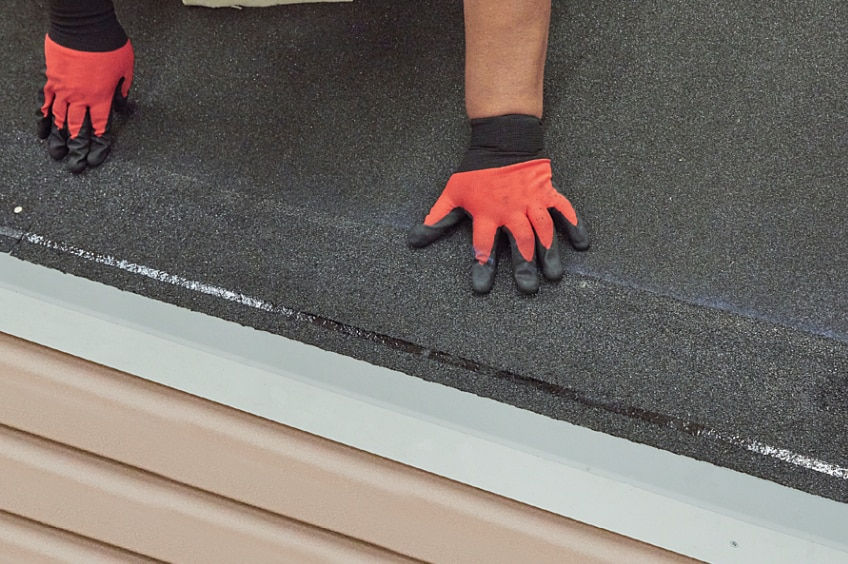
Most roofers will tell you the most vulnerable inches on any roof are the very first ones. Wind grabs the bottom edge of shingles first, water finds every gap at the eave, and a weak start means the entire roof system performs below its potential no matter how good the shingles above it are.
That is where starter strip shingles earn their keep, and it is exactly the kind of product detail that separates a roof that lasts from one that fails prematurely. If you are planning a roofing project in Rostraver Township, PA, or anywhere across Western Pennsylvania, understanding what goes under that first row of shingles will help you buy smarter and install with confidence.
What Starter Strip Shingles Actually Do for Your Roof
Starter strip shingles are a pre-cut roofing product installed along the eaves and rakes before the first full course of shingles goes down. Their primary job is to fill the gaps between the tabs or edges of the first shingle course and the roof deck, sealing those joints with a factory-applied adhesive strip.
Without that sealant layer underneath, wind can work its way under the bottom edge of the first shingle course and begin lifting tabs. Water can also migrate up through the vertical joints at the eave through a process called capillary wicking, where surface tension pulls moisture horizontally behind the shingles and into the decking below. Left unchecked, that moisture leads to rot, mold, and decking failure that a proper starter strip would have prevented entirely. A correctly installed starter strip closes those vertical joints and bonds the first course of shingles directly to the layer beneath it, cutting off both the wind path and the moisture path at the same time.
Purpose-Made Strips Versus Cut Shingles
For years, some roofers improvised starter courses by flipping a standard three-tab shingle upside down and trimming off the tabs. It worked to a degree, but it left the sealant strip in the wrong position and created inconsistent coverage across the eave.
Purpose-made starter strips solve both problems. Here is what that means for your project:
The adhesive strip is positioned precisely at the leading edge, where it seals directly to the first full shingle course above it.
Uniform width means faster installation with a straighter, cleaner edge.
Many products, including options from Owens Corning Shingles, are designed to work as a system with matching architectural shingles, which is often required for full warranty coverage.
Purpose-made starter strips also address the rake edge, which is the sloped side of the roof that many improvised approaches leave unprotected.
The bottom line: using a dedicated starter product is no longer just a best practice. For most major shingle warranties, it is a requirement.
Installation Sequencing, Overlap, and Calculating Coverage
Understanding what starter strips do is only part of the picture. Knowing how to install them correctly and how much material to order makes the difference between a clean job and a costly mistake.
At the eave, the drip edge goes on first, then the underlayment lays over it. The starter strip then installs on top of the underlayment, flush with or slightly overhanging the drip edge by about a quarter inch to direct water cleanly into the gutter. At the rake, the sequence reverses: underlayment goes on first, then the drip edge covers it, and the rake starter strip lays over the drip edge. This difference matters because it controls where water is directed at each edge.
Starter strips at the eave should overlap at joints by at least six inches to avoid creating a gap that water can find. The rake starter runs vertically up the slope and is typically cut to fit, with any joints staggered from the course below.
To calculate how much starter strip you need, measure the total linear footage of all eave edges and add the total linear footage of all rake edges. Add ten percent for waste and cuts. Starter strips are typically sold in rolls covering a set number of linear feet, so divide your adjusted total by the coverage per roll to get your quantity. For a standard ranch-style home in Western Pennsylvania, eave and rake combined often runs between 120 and 200 linear feet depending on roof complexity, but a hip roof with multiple planes will come in higher. The team at CGR Wholesale can help you confirm your quantity based on your roof dimensions so you do not come up short mid-job. Browse the full selection of Roofing Materials & Supplies to see what is currently in stock.
Material Choices and What to Consider Before Buying
Starter strips are available in a few configurations, and the right choice depends on your shingle type, roof slope, and regional weather conditions. Western Pennsylvania winters bring heavy snow loads and freeze-thaw cycles that stress eave edges harder than in milder climates. Pairing your starter strip with a quality Polyglass Underlayment & Low Slope Roofing product adds a second layer of protection under the full shingle field, which is smart practice in this region.
Standard starter rolls work well on most residential applications and are cost-effective for straightforward gable roofs. Hip roofs or steeply pitched designs may benefit from wider starter strips that cover more of the rake without requiring additional cuts. Always verify that the starter product you select is approved for use with your chosen shingle brand, especially if warranty documentation matters to you or your client.
Signs That a Roof May Be Missing or Has a Failing Starter Course
Starter strips are hidden once the roof is complete, which means problems often show up indirectly. Watch for these indicators that something may be wrong at the eave:
Shingle tabs along the bottom row lifting or curling at the corners
Water stains on fascia boards or in the soffit area after wind-driven rain
Ice dams forming repeatedly at the eave edge, since improper sealing accelerates ice dam conditions in cold climates
If you are a contractor pulling off an old roof and you find no evidence of a starter course, that is a clear sign the previous installation skipped a step. Replacing the underlayment and installing a proper starter strip during the reroof adds very little cost compared to the protection it provides. Our post on What Are the Best Roofing Materials for Heavy Rain and Snow? covers related material choices for demanding weather conditions like those across the Pittsburgh area.
Frequently Asked Questions
What is the purpose of a starter strip on a roof?
A starter strip seals the leading edge of the first shingle course against wind uplift and prevents water from wicking through the vertical joints at the eave. It uses a factory-applied adhesive that bonds to the shingle above it when heat activates the sealant, locking that vulnerable bottom edge in place.
Do I need a starter strip for every type of shingle?
Yes, starter strips are recommended with virtually all asphalt shingles, both three-tab and architectural styles. Most major shingle manufacturers require a compatible starter product for the full warranty to remain valid, so skipping this step can leave homeowners without coverage even if the shingles themselves are in good shape.
How long do starter strip shingles last?
A properly installed starter strip typically lasts as long as the shingles above it, which can range from 25 to 50 years depending on the shingle product and maintenance of the overall roof system. Because it is sandwiched between the shingle and the decking, it is protected from direct UV exposure and physical wear.
Where do starter strips go on a roof?
Starter strips are installed along the eave edge first, then along the rake edges on both sides of the roof. The eave installation runs horizontally across the bottom, while rake starter strips run vertically up the sloped edge, providing coverage at every exposed perimeter where wind and water pressure are highest.
Can I use leftover shingles as a starter strip?
You can improvise with cut-down shingles in a pinch, but purpose-made starter strips are a better option because their adhesive strip is factory-positioned at the correct location. Using field shingles as a starter may also void your shingle warranty, which is a risk most homeowners and contractors want to avoid.
Are starter strips the same as ridge cap shingles?
No, they serve different functions on opposite ends of the roof. Starter strips protect the bottom and sides of the roof at the eave and rake, while ridge cap shingles cover the peak where two roof planes meet. Both are important components of a complete roofing system and are typically purchased alongside field shingles.
Do starter strips work with metal drip edge?
Yes, starter strips and metal drip edge work together and are both recommended components of a properly installed roof edge. The drip edge is installed first at the eave, then the underlayment goes on, followed by the starter strip on top at the eave, directing water away from the fascia.
Get the Right Roofing Materials at CGR Wholesale
A starter strip is a small product that plays a large role in how well your entire roof performs, especially through the freeze-thaw winters and wind-driven storms common across Western Pennsylvania. Getting the sequencing right, choosing a compatible product, and ordering accurate quantities are all details that matter, and having a knowledgeable local supplier in your corner makes every one of those steps easier.
CGR Wholesale Roofing & Siding Supply Center stocks the starter strips, underlayments, and field shingles that both contractors and homeowners need, all in one location in Rostraver Township. Rather than waiting on distant distributors or settling for whatever a big-box store has in stock, roofing professionals from Belle Vernon to West Mifflin to Pittsburgh rely on this location for complete roofing systems from trusted brands. If you want to compare shingle options before committing, our post on How Do I Choose Between GAF and Owens Corning Shingles? walks through the key differences.
Visit CGR Wholesale Roofing & Siding Supply Center or call 724-268-3671 today. Our team is ready to help you source the right materials for a roof that protects your home for decades to come. Contact us for more information.


In Build Now GG, I played one more round after telling myself I was done for the day. A close victory made me want to keep going, and suddenly another hour had passed.
From Bath Fitter reviews I had install a new bathtub in my home, and I couldn't be happier with the experience! From the initial consultation to the final installation, the team was professional, friendly, and incredibly efficient. The quality of the materials used is outstanding, and my new tub looks absolutely stunning. I love how quickly they transformed my bathroom without any mess or hassle. I highly recommend Bath Fitter to anyone looking to upgrade their space!