


What Are the Best Metal Roofing Tools for Installation?
AI Summary
The right metal roofing installation tools determine whether your project finishes smoothly or turns into a frustrating, time-consuming ordeal.
Quality cutting tools like metal snips, nibbler tools, and circular saws with metal-cutting blades are essential for clean, precise cuts that prevent material waste.
Proper fastening tools including impact drivers, magnetic nut setters, and torque-controlled screwdrivers ensure panels stay secure through Western Pennsylvania's harsh weather cycles.
Having the complete toolkit ready before starting saves multiple trips to the supply center and keeps your project on schedule.
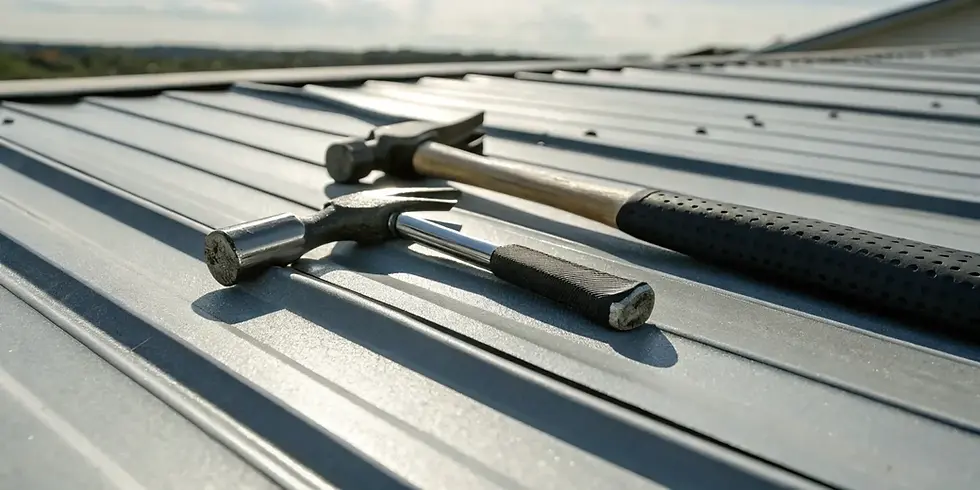
Every contractor knows that sinking feeling when they're halfway through a metal roofing job and realize they're using the wrong tool for the cut. What should take five minutes stretches into an hour of fighting with inadequate equipment, leaving jagged edges and wasted material in its wake.
The difference between a smooth metal roofing project and a nightmare often comes down to having the right installation tools before you start. Smart contractors and ambitious DIYers understand that investing in quality Roofing Materials & Supplies means investing in proper equipment that matches the precision these premium panels deserve.
How Western Pennsylvania Weather Demands Quality Tools for Metal Roofing Installation
Professional installation tools must perform reliably through Western Pennsylvania's demanding climate conditions, from scorching summer heat that expands metal panels to freezing winter temperatures that make materials brittle. The temperature swings between seasons in the Pittsburgh area create constant expansion and contraction cycles that test every fastener and seam.
Quality tools become even more critical when working with metal panels during our region's unpredictable weather patterns. Spring storms can roll in quickly, turning a straightforward installation into a race against time. Having tools that cut cleanly, fasten securely, and work efficiently means the difference between completing sections before weather hits and leaving your project vulnerable to water damage.
Essential Cutting Tools for Metal Roofing Projects
The foundation of any successful installation lies in making clean, accurate cuts that fit perfectly without gaps or overlaps. Professional contractors rely on several key cutting tools depending on the specific type of cut and material thickness they're working with.
Metal snips in straight, left-cut, and right-cut varieties handle most standard panel trimming
Electric nibbler tools create smooth curves and intricate cuts without distorting the metal
Circular saws equipped with metal-cutting blades power through thick gauge materials quickly
Angle grinders with cutting wheels tackle heavy-duty structural modifications
Panel shears make long, straight cuts across multiple ribs efficiently
Power Cutting Solutions
Electric and pneumatic cutting tools significantly speed up installation while delivering cleaner results than manual options. Circular saws designed for metal work feature specialized blades that cut without throwing dangerous sparks or creating excessive heat buildup that warps panels.
Nibbler tools excel at cutting openings for vents, pipes, and other roof penetrations because they remove small pieces of metal rather than slicing through it. This approach prevents the distortion and stress cracking that can occur with other cutting methods, especially important when working around critical weatherproofing areas.
Manual Cutting Precision
Hand tools still play a vital role in metal roofing projects, particularly for detail work and areas where power tools cannot safely operate. Aviation snips with compound leverage reduce hand fatigue during extended cutting sessions while providing the control needed for intricate trim work.
Quality manual snips feature hardened steel blades that stay sharp longer and handle repeated cuts through galvanized steel without dulling. Left and right-cut snips allow contractors to follow curved lines smoothly, while straight-cut versions excel at clean edge preparation.
Critical Fastening and Installation Equipment
Proper fastening tools ensure panels stay securely attached through decades of weather exposure and thermal cycling. Impact drivers with adjustable torque settings prevent over-driving screws that could compromise the weatherproof seal while ensuring adequate holding power.
Magnetic nut setters and bit holders streamline the fastening process by keeping screws aligned and reducing drops that waste time and materials. Professional installation crews often use multiple impact drivers set to different torque specifications for various fastener types and locations across the roof system. Quality AJC Roofing Tools provide the reliability contractors need for consistent results across every project.
Essential fastening equipment includes:
Cordless impact drivers with variable torque control
Magnetic bit holders and nut setters
Self-drilling metal roofing screws with EPDM washers
Torque-limiting drivers for consistent fastener tension
Socket sets for ridge cap and trim installation
Specialized Installation Equipment
Beyond basic fastening tools, professional installations require specialized equipment for measuring, positioning, and securing panels. Roofing squares ensure accurate panel alignment, while chalk lines help maintain straight installation rows across long roof sections.
Panel lifters and positioning clamps hold panels in place during fastening, reducing the risk of slippage that could create gaps or misalignment. These tools prove especially valuable when working alone or in windy conditions that can shift panels during installation.
Safety Equipment and Positioning Tools
Metal roofing installation presents unique safety challenges that require specialized equipment beyond standard construction safety gear. The smooth surface of metal panels becomes extremely slippery when wet, and sharp edges demand extra protection for both workers and the roofing material itself.
Professional safety harnesses designed for roofing work include positioning belts that allow workers to lean back while keeping both hands free for installation tasks. Roof brackets and toe boards provide secure footing on steep slopes while distributing weight to prevent panel damage. Non-slip shoes with soft rubber soles grip metal surfaces better while avoiding scratches that could compromise protective coatings.
Safety considerations extend beyond personal protection to tool security. Magnetic tool holders prevent dropped fasteners from damaging lower panels or creating hazards for workers below. Tool lanyards keep essential equipment attached during rooftop work, reducing the need for dangerous retrieval efforts.
Tool Investment and Long-Term Value Considerations
Investing in quality equipment for metal roofing installations pays dividends through faster completion times, better results, and reduced material waste from mistakes or poor cuts. Professional-grade tools typically cost more upfront but deliver consistent performance across multiple projects, making them worthwhile investments for contractors and serious DIY enthusiasts.
Budget-conscious buyers can prioritize the most essential tools first, starting with quality cutting equipment and basic fastening tools, then expanding their toolkit as projects demand specialized equipment. Renting expensive power tools for occasional use often makes more financial sense than purchasing equipment that sits unused between projects.
Local suppliers like CGR Wholesale understand the balance between tool quality and budget constraints. Our team helps contractors select equipment that delivers professional results without unnecessary features that inflate costs. This approach ensures every tool purchase contributes to project success and long-term business profitability.
People Also Ask
What type of saw blade works best for cutting metal roofing panels?
Carbide-tipped blades specifically designed for non-ferrous metals provide clean cuts without excessive heat buildup that can warp panels. These blades feature fewer teeth per inch than wood-cutting blades and special tooth geometry that clears metal chips efficiently. Avoid abrasive blades that create sparks and rough edges requiring additional finishing work.
Do I need special screws for metal roofing installation?
Yes, metal roofing requires self-drilling screws with EPDM rubber washers that create weatherproof seals around each fastener. The screws must be long enough to penetrate the roof deck by at least three-quarters of an inch while matching the panel material to prevent galvanic corrosion. Stainless steel or coated fasteners resist rust that could stain the roofing material over time.
How do professionals cut metal roofing around vents and chimneys?
Professional roofers use electric nibbler tools or tin snips to cut precise openings around roof penetrations, starting with measurements transferred from cardboard templates. The key is cutting slightly smaller than needed, then enlarging gradually until the flashing fits properly. Clean cuts prevent stress points that could lead to cracking or water infiltration over time.
What safety equipment is required for metal roofing installation?
Essential safety gear includes fall protection harnesses, non-slip footwear, cut-resistant gloves, and eye protection from metal shavings. Roof brackets or toe boards provide secure working platforms on steep slopes, while magnetic tool holders prevent dropped fasteners that could damage lower panels. Weather monitoring equipment helps crews avoid dangerous conditions when metal surfaces become slippery.
FAQ
Should I buy or rent specialized metal roofing tools for a single project?
For one-time projects, renting expensive power tools like panel shears or pneumatic fasteners often makes more financial sense than purchasing equipment you may never use again. However, basic hand tools like metal snips and drill bits are worth buying since they have applications beyond roofing work and will likely be needed for maintenance over the roof's lifetime.
How do I prevent scratching metal panels during installation?
Use tools with smooth, non-abrasive surfaces and handle panels with clean cotton gloves rather than rough work gloves that could scratch protective coatings. Magnetic tool holders prevent dropped screws and bits from bouncing across panel surfaces, while soft-soled shoes avoid scuff marks. Cover completed sections with protective film if additional work overhead could drop debris.
What's the difference between contractor-grade and homeowner tools for metal roofing?
Contractor-grade tools feature more durable construction, higher-capacity motors, and precision adjustments that deliver consistent results across multiple projects. Homeowner versions often provide adequate performance for single-use applications at lower cost but may lack the durability or precision needed for professional-quality results. The investment in professional tools typically pays off through faster work and better outcomes.
Can regular construction tools work for metal roofing installation?
While some general construction tools can handle basic metal roofing tasks, specialized equipment delivers significantly better results with less effort and material waste. Regular drill bits dull quickly on metal, standard saw blades create rough cuts requiring additional finishing, and generic fasteners may not provide adequate weatherproofing. The right tools designed specifically for metal roofing make installation more efficient and reliable.
Get Professional-Grade Tools from Western Pennsylvania's Leading Supply Center
Successful metal roofing projects start with having the right tools ready before you begin installation. CGR Wholesale Roofing & Siding Supply Center stocks professional-grade installation tools alongside premium WV Metals Metal Roofing Panels to ensure contractors and homeowners have everything needed for outstanding results.
With years of experience serving Western Pennsylvania's building community, our knowledgeable team helps match tools to specific project requirements and material specifications. Whether you're installing standing seam panels or exposed fastener systems, having quality equipment from a trusted local supplier means your project stays on schedule while delivering the lasting performance that makes metal roofing such a smart investment. What Are the Best Roofing Materials for Heavy Rain and Snow? explores how proper materials and installation techniques work together for maximum weather protection.
Visit CGR Wholesale Roofing & Siding Supply Center or call 724-268-3671 today. Our experts provide personalized tool recommendations based on your specific project requirements and experience level. Contact us for more information.


When you want a no-frills wiki experience, the Westwiki starting layout gets you oriented without unnecessary clutter.
Referring page from RugsUSA reviews I purchased a rug and I am thoroughly impressed with the quality and design. The vibrant colors and intricate patterns have transformed my living space, adding a touch of elegance. The texture is soft underfoot, providing both comfort and warmth. Additionally, the ordering process was seamless, and the delivery was prompt. Overall, my experience with RugsUSA has been highly satisfactory, and I would recommend their products to anyone seeking stylish and durable rugs.
Mình đang tìm hiểu về khí hậu vùng Lạng Sơn để chuẩn bị chuyển công tác lên đó làm việc, nên hay theo dõi https://thoitiethomnay.org/lang-son/ để nắm được xu hướng thời tiết trong khu vực trước khi quyết định. Trang cung cấp thông tin theo ngày khá chi tiết, giúp mình hình dung được mức độ lạnh vào mùa đông để chuẩn bị tâm lý và đồ đạc phù hợp. Giao diện rõ ràng, dễ đọc số liệu mà không cần kiến thức chuyên môn phức tạp. Tốc độ tải nhanh, tra cứu được ngay khi cần. Với ai cũng đang tìm hiểu về khu vực này để chuyển công tác hoặc sinh sống, đây là nguồn tham khảo khá hữu…