


Can Owens Corning Shingles Lower Energy Bills?
AI Summary
Owens Corning shingles can support lower energy bills when paired with proper ventilation.
Shingle color, reflectivity, and attic airflow all influence energy efficiency.
Roofing systems work together to manage heat transfer, not shingles alone.
Energy savings are most noticeable during hot summer months.

Homeowners often look for ways to reduce energy costs, especially during hot summers when cooling expenses rise. Because the roof is one of the largest exterior surfaces on a home, many people wonder if choosing the right shingles can actually help lower energy bills. Owens Corning is a well-known roofing manufacturer, but can their shingles really make a difference when it comes to energy efficiency?
The short answer is yes, but with important context. Owens Corning shingles are designed to work as part of a complete roofing system. While shingles alone do not control energy usage, the right combination of shingle color, ventilation, and roof design can significantly influence attic temperatures and overall indoor comfort.
This guide explains how Owens Corning shingles contribute to energy efficiency, what homeowners should realistically expect, and how proper installation maximizes potential savings.
How Roofs Affect Home Energy Use
The roof plays a major role in how heat enters and exits a home.
Heat Transfer Through the Roof
Sunlight heats the roof surface, and that heat transfers into the attic. If heat becomes trapped, it can raise indoor temperatures and force air conditioning systems to work harder.
Attic Temperature and Cooling Costs
A poorly ventilated attic can reach temperatures far above the outdoor air temperature. This added heat increases cooling demands inside the home.
Seasonal Energy Impact
While roofs also affect winter heat retention, energy savings related to shingles are most noticeable during warm weather.
Understanding these basics helps clarify how shingles influence energy use.
How Owens Corning Shingles Support Energy Efficiency
Owens Corning shingles are engineered to help manage heat rather than trap it.
Granule Technology and Heat Reflection
Shingle granules help protect asphalt from UV exposure. Some Owens Corning shingles are designed to reflect a portion of solar energy, reducing surface heat buildup.
Color Options That Influence Heat Absorption
Lighter shingle colors reflect more sunlight than darker colors. Choosing lighter or mid-tone Owens Corning shingles can help reduce roof surface temperatures during hot months.
Stable Performance in Heat
Owens Corning shingles maintain structural stability in high temperatures, preventing deformation that could worsen heat retention.
While shingles help, they work best as part of a system.
The Importance of Attic Ventilation
Ventilation often matters more than shingle choice alone.
Removing Hot Air From the Attic
Proper intake and exhaust ventilation allows hot air to escape instead of building up beneath the roof deck.
Protecting Shingles From Below
Excess attic heat can cause shingles to age prematurely from the underside. Ventilation helps prevent this.
Supporting Energy Savings
By lowering attic temperatures, ventilation reduces the amount of heat entering living spaces, easing the load on cooling systems.
Owens Corning roofing systems are designed with ventilation in mind.
Roofing System Components That Affect Energy Bills
Shingles are only one piece of the puzzle.
Underlayment and Insulation
Quality underlayment and insulation slow heat transfer from the roof into the home.
Ridge Vents and Intake Vents
Balanced airflow is essential for energy efficiency and roof longevity.
Roof Deck Condition
A well-sealed and properly prepared roof deck helps maintain consistent temperatures.
When all components work together, energy efficiency improves.
Can Owens Corning Shingles Reduce Cooling Costs?
Energy savings depend on several factors.
Homes in Hot or Sunny Areas
Homes exposed to long periods of sunlight may see greater cooling benefits from reflective shingle colors.
Older Homes With Poor Ventilation
Upgrading shingles along with ventilation improvements can significantly reduce attic heat.
Homes With Modern Insulation
Well-insulated homes often experience better overall results when paired with efficient roofing systems.
Shingles alone will not slash energy bills, but they can contribute meaningfully.
Realistic Expectations for Energy Savings
It is important to set accurate expectations.
What Shingles Can Do
Help reduce roof surface temperatures
Support better attic heat management
Complement ventilation and insulation
What Shingles Cannot Do
Replace insulation
Eliminate the need for ventilation
Guarantee dramatic energy bill reductions on their own
Energy efficiency comes from the full system, not a single product.
Color Choice and Energy Performance
Color selection plays a visible role.
Lighter Colors
Lighter Owens Corning shingles reflect more solar energy and can help keep roofs cooler.
Darker Colors
Darker shingles absorb more heat but may be chosen for aesthetic reasons or cold-weather benefits.
Balanced Color Choices
Many homeowners choose blended or mid-tone colors to balance energy performance and curb appeal.
Contractors often help homeowners weigh these trade-offs.
Installation Quality and Energy Efficiency
Even the best shingles require proper installation.
Correct Nailing and Placement
Proper installation ensures shingles lay flat and perform as designed.
Ventilation Design
Balanced intake and exhaust ventilation must be planned correctly.
Avoiding Shortcuts
Improper installation can trap heat and reduce potential energy benefits.
Professional installation is essential for performance.
Long-Term Benefits Beyond Energy Savings
Energy efficiency is not the only advantage.
Improved Indoor Comfort
Lower attic temperatures help stabilize indoor conditions.
Reduced HVAC Strain
Cooling systems work less when heat gain is reduced.
Extended Roof Lifespan
Managing heat helps prevent premature shingle aging.
These benefits add long-term value to the home.
Problem to Solution
Problem: High summer cooling bills
Solution: Combine Owens Corning shingles with proper ventilation.
Problem: Attic heat buildup
Solution: Improve airflow and roof system design.
Problem: The roof ages quickly in the heat
Solution: Use shingles designed for thermal stability.
Problem: The home feels unevenly cooled
Solution: Address roof, insulation, and ventilation together.
People Also Ask
Can shingles really lower energy bills?
They can help when combined with ventilation and insulation.
Are lighter shingles more energy efficient?
Yes, they reflect more sunlight and reduce heat absorption.
Does ventilation matter more than shingle color?
Yes, ventilation has a greater impact overall.
Do Owens Corning shingles support energy efficiency?
Yes, they are designed to work as part of an efficient roofing system.
FAQ
Will new shingles automatically reduce energy costs?
Not unless ventilation and insulation are addressed as well.
Can I choose dark shingles and still save energy?
Yes, with proper ventilation and insulation.
Are energy-efficient shingles worth it?
They often are when installed as part of a complete system.
Does attic heat affect roof lifespan?
Yes, excessive heat can shorten shingle life.
Supporting Energy Efficiency From the Top Down
Owens Corning shingles can play an important role in lowering energy bills when used as part of a complete roofing system. By helping manage heat at the roof surface and supporting proper ventilation, they contribute to better attic temperature control and improved indoor comfort. While shingles alone are not a magic solution, the right choices combined with professional installation can make a noticeable difference over time.
For dependable access to Owens Corning shingles and professional roofing supplies, contact CGR Wholesale Roofing at 412-847-7663. Our team helps contractors and homeowners select roofing materials that balance performance, energy efficiency, and long-term value.

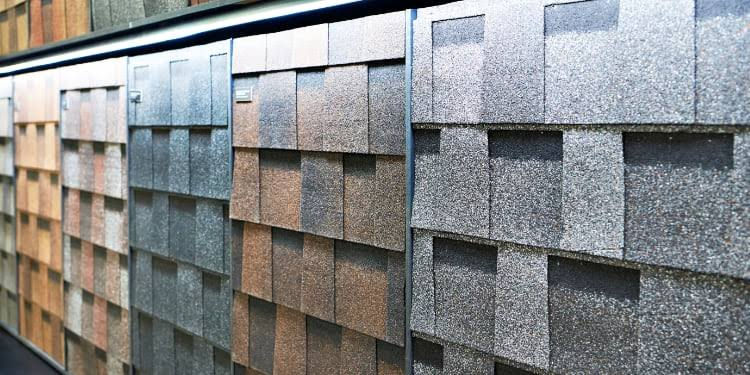


During hot Among Us weather, a traditional dark roof can absorb a significant amount of solar heat. That heat can transfer into the attic and living spaces, causing air conditioning systems to work harder.
What stood out to me in the article is how much impact roofing materials can have on overall household energy efficiency, not just insulation or aesthetics. It’s easy to overlook how much heat gain or loss starts from the roof itself, and how that translates into higher utility bills over time. I like the idea of treating the roof as part of a broader energy system rather than a standalone structure.
From my perspective, combining improved roofing materials with renewable generation makes the most sense. I’ve been looking into 400 watt solar panels through A1 Solar Store, since they offer a practical way to offset energy consumption while roofing upgrades handle thermal efficiency. Together, they create a more balanced and cost-effective…
Roofing advice about energy bills usually focuses on materials, ventilation, insulation, and whether shingles perform well over time. Home-improvement products also create service questions around orders, warranties, application details, delivery, and product compatibility. A homeowner may save money on energy in theory but still lose patience if the support side is unclear. When a project depends on the right coating, sealant, or repair product, dialing Henry customer service number lets buyers ask about the exact item before work starts. Clear product answers protect both the budget and the roof.