


Hidden Fasteners vs Face Screws for Composite Decking
- 7 hours ago
- 7 min read
Key Takeaway
Composite decking hidden fasteners keep boards secure without visible hardware, creating a cleaner finished surface that many homeowners prefer.
Face screws are easier to install and cost less upfront, but they leave exposed hardware that can detract from the deck's appearance over time.
The right fastener choice depends on your decking brand, board profile, and the look you want to achieve before you purchase materials.
CGR Wholesale Roofing & Siding Supply Center stocks composite decking brands and compatible fastener systems in Rostraver Township, PA so you can get everything in one stop.

Choosing the wrong fastener system for your composite deck is the kind of mistake that only shows up after the boards are down. Whether you are building a new deck in Belle Vernon or replacing worn boards on an older structure near Pittsburgh, the fastener decision affects how the finished surface looks, how long the boards stay secure, and how easy the deck will be to service years from now. It is not a detail you want to sort out at the lumberyard while your truck is running.
The good news is that this choice is straightforward once you understand what each system actually does. Composite decking hidden fasteners and face screws each have a legitimate place depending on your decking brand, board profile, and project goals. Homeowners and contractors across Western Pennsylvania who have read our guide on How Long Does Composite Decking Last vs Wood? already know that material selection matters for long-term performance, and fastener selection is no different. At CGR Wholesale Roofing & Siding Supply Center, we carry compatible fastener systems alongside the decking brands our customers rely on.
How Hidden Fasteners and Face Screws Actually Differ
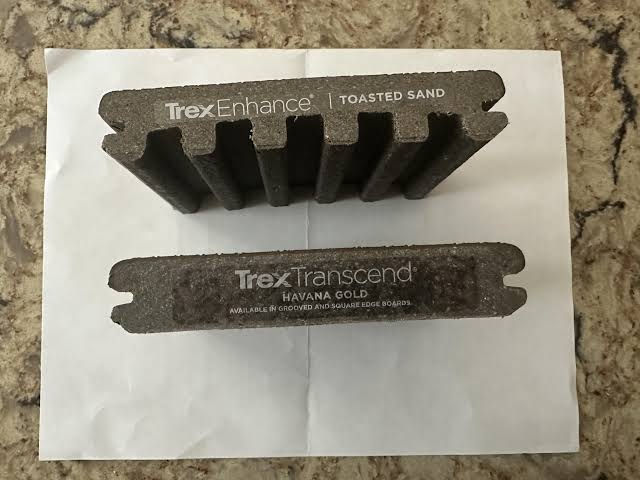
The core difference between these two systems is where the hardware ends up once installation is complete. Composite decking hidden fasteners clip into the grooves along the edges of grooved composite boards and attach to the joist below, keeping the hardware entirely out of sight. Face screws drive straight down through the top face of the board into the framing beneath.
In Western Pennsylvania's climate, that structural difference carries real weight. The freeze-thaw cycle that runs through local winters creates meaningful expansion and contraction stress on composite boards. Builders in Monessen and West Mifflin who have dealt with boards cupping or gapping after a hard winter often trace part of the problem back to their fastener choice. Composite decking hidden fasteners allow boards to shift slightly at each joist crossing rather than being locked into a fixed position, which reduces the stress that drives cupping over time. Face screws that are over-tightened into grooved boards restrict that natural movement and can accelerate surface wear in climates that cycle hard between seasons.
Hidden fastener advantages:
Create a surface with no visible hardware, which is the preferred finish for high-end deck builds
Allow boards to expand and contract naturally in response to temperature changes without buckling
Reduce the chance of surface cracking caused by screw entry points
Work with Trex Composite Decking & Railing and TimberTech Composite Decking proprietary clip systems designed for specific board grooves
Require grooved-edge composite boards, so not every profile is compatible
Face screw advantages:
Work with solid-edge boards and are often the only option for certain board profiles
Allow faster installation and make individual board replacement more straightforward if damage occurs
Cost less upfront in material spend
Required at starter and border boards even on hidden fastener builds
Understanding how each system behaves under real-world conditions is what separates a smooth long-term install from one that needs attention after the first hard winter.
Common Mistakes When Choosing a Fastener System
One of the most frequent mistakes buyers make is purchasing grooved composite decking and standard screws separately without confirming compatibility. Many composite decking brands, including Trex Composite Decking & Railing and TimberTech Composite Decking, have fastener systems designed specifically for their board profiles. Using the wrong clip or screw can void a product warranty and cause boards to shift or crack over time.
The other common error is choosing a fastener system based on cost alone. Hidden fastener clips do carry a higher material cost than basic face screws, and they require a bit more planning during layout. But face screws used improperly on grooved boards, or countersunk too aggressively on thinner composite profiles, can split the board edge or create entry points for moisture. The right choice depends on the specific board you are buying, not just the price tag on the fastener bag.
A third mistake worth flagging for Western PA builders specifically is ignoring joist spacing when calculating fastener counts. Hidden fastener clips are installed at every joist crossing for each board, and on decks with 12-inch joist spacing the clip count climbs fast compared to 16-inch spacing. Getting that number right before you leave the supply center saves a second trip.
How CGR Wholesale Approaches Your Decking Material Order
At CGR Wholesale, we do not install decks. What we do is make sure contractors and homeowners in Western Pennsylvania leave with the right products for the job at hand. That means stocking decking, compatible fastener systems, and the accessories that tie a project together, all from brands we trust.
Matching Fasteners to Your Decking Brand
Before anything else, identify the decking product you want. Master Halco Fencing & Decking products, Trex, and TimberTech each have board profiles and fastener specifications that differ from one another. Our team can walk you through which composite decking hidden fasteners or face screw types are rated for the boards you are purchasing, so you are not guessing at the job site.
If you are also selecting railing for the project, our guide on How Do I Install Composite Decking Railing Systems? covers how railing components connect to your decking layout. That connection affects where your border boards land and what fastener approach makes sense at the perimeter, which is worth knowing before your first board goes down.
Planning Your Quantities Before You Pick Up Materials
Once the fastener type is confirmed, quantity planning matters. Hidden fastener clips are installed at every joist crossing for each board, which means the count adds up quickly on larger deck footprints. Contractors working across Allegheny County and the Mon Valley area who need accurate material quotes are welcome to contact us directly. We are a local source, not a distant warehouse, which means you can get answers without waiting days for a response.
For additional guidance on selecting the right deck board product before you finalize your fastener choice, our post on What Are the Best Deck Board Materials for Your Project? is a useful starting point.
People Also Ask
What are composite decking hidden fasteners?
Composite decking hidden fasteners are clips or brackets that attach to the grooved edges of composite boards and fasten to the joist below, keeping all hardware out of view from the surface. They create a cleaner finished look compared to face screws and allow boards to move naturally with temperature changes. Most major composite brands offer a proprietary hidden fastener system designed for their specific board grooves.
Is it worth using hidden fasteners on a composite deck?
For homeowners who want a clean, uninterrupted deck surface, hidden fasteners are worth the additional material investment. They reduce the chance of surface cracking caused by screw entry points and allow for natural board expansion in climates like Western Pennsylvania's, where freeze-thaw cycles put real stress on decking materials. The tradeoff is a slightly higher material cost and the requirement that boards have a grooved edge profile.
Can you use face screws on grooved composite decking?
Face screws are acceptable at starter boards and border boards where a hidden clip cannot seat properly. Driving face screws through the top surface of grooved boards throughout the field is not recommended and can compromise both appearance and warranty coverage. Always check the manufacturer's installation guidelines for the specific board you are using.
Do hidden fasteners prevent composite decking from warping?
Hidden fasteners help manage the natural expansion and contraction of composite boards by allowing them to move slightly at each joist crossing rather than being fixed in place. This reduces the stress that can cause cupping or warping over time. Proper joist spacing and gapping between boards also play a significant role, so fastener choice is one piece of a complete installation approach.
FAQ
Does CGR Wholesale sell fastener systems alongside decking boards?
Yes. CGR Wholesale stocks composite decking brands and compatible fastener systems together so contractors and homeowners can source everything for their project in one trip. We carry products for grooved-edge and solid-edge board applications across multiple brands.
Do I need different fasteners for Trex vs TimberTech decking?
Yes. Trex and TimberTech use different proprietary hidden fastener systems designed for their specific board groove dimensions. Using a clip rated for one brand on another brand's board can result in poor fit, board movement issues, or warranty problems. Our team at CGR Wholesale can confirm the right system for the boards you are purchasing.
Can I mix face screws and hidden fasteners on the same deck?
In most builds, face screws are used at the first and last board where a clip cannot seat properly, while hidden fasteners are used throughout the field. This is a standard approach and is acceptable per most manufacturers' installation guidelines. Use the correct screw type for the specific composite material to avoid surface damage.
What should I bring to CGR Wholesale when ordering decking materials?
Bring your deck dimensions, joist spacing, and the brand or product name you have in mind. If you are still deciding on a decking brand, our staff can walk you through the options we carry. Having your measurements ready allows us to help you calculate board count, fastener quantity, and any accessories needed for your specific layout.
Get the Right Decking Materials at CGR Wholesale
Contractors and homeowners across Western Pennsylvania have relied on CGR Wholesale Roofing & Siding Supply Center for composite decking materials, fastener systems, and the honest guidance that makes a project go smoothly from the start. Whether you are building a new deck in Rostraver Township or sourcing replacement boards for a customer in West Mifflin, we stock what you need from brands you can trust.
Our team has helped hundreds of Western PA builders match the right composite decking hidden fasteners to the right board product, and we are ready to do the same for your next project. Stop in, bring your measurements, and leave with everything you need to build with confidence.
Visit CGR Wholesale Roofing & Siding Supply Center or call 724-268-3671 today. We will make sure you leave with the right decking products and fastener system matched to your specific build. Contact us for more information.


Comments