


How Do Material Prices Impact Roofing Estimates?
AI Summary
Material prices are one of the largest drivers of roofing estimate changes.
Shingles, underlayment, flashing, and fasteners all fluctuate in cost.
Supply chain shifts and seasonal demand influence pricing.
Contractors must adjust estimates to protect margins and ensure quality.
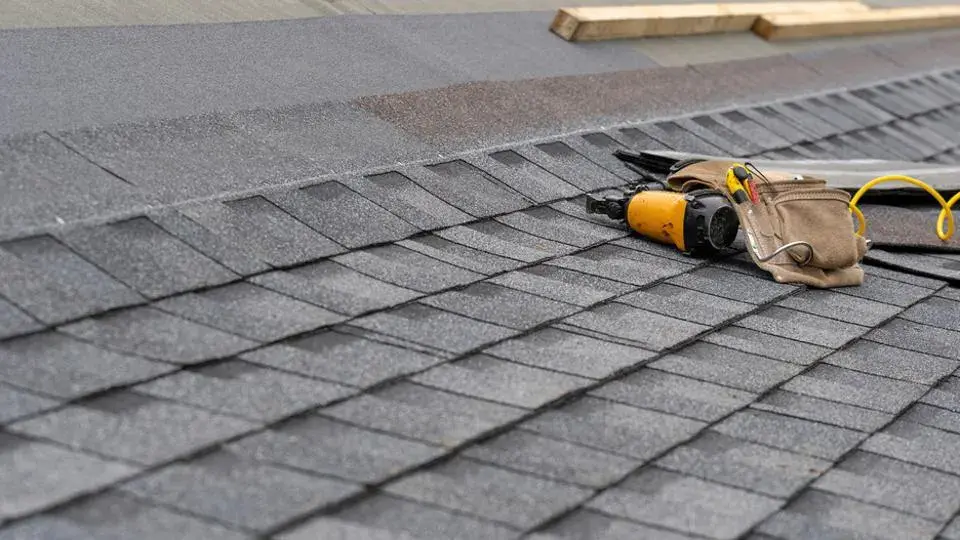
Roofing estimates are influenced by several factors, but material pricing is one of the most significant. When homeowners compare bids or notice price increases from year to year, material costs are often a primary reason. Roofing products such as shingles, underlayment, flashing, and fasteners are commodities that fluctuate based on manufacturing costs, fuel prices, and supply chain conditions.
Understanding how material prices impact roofing estimates helps homeowners evaluate quotes realistically and helps contractors explain pricing adjustments with transparency. Roofing materials represent a major portion of the total project cost, so even modest price changes can affect the final estimate.
This guide explains how material pricing affects roofing estimates and what both homeowners and contractors should consider.
Roofing Materials Make Up a Large Portion of the Total Cost
In most residential roofing projects, materials account for 40 to 60 percent of the total estimate.
Shingles
Shingles are the primary visible material and often the largest material expense.
Underlayment
Synthetic underlayment or felt protects the roof deck and adds to the material cost.
Ice and Water Protection
Ice barrier membranes are required in many regions and increase material totals.
Flashing and Accessories
Flashing, starter shingles, ridge caps, and fasteners contribute to overall pricing.
Because these materials are purchased in bulk, price changes directly impact estimates.
Why Roofing Material Prices Fluctuate
Several economic factors influence roofing material costs.
Raw Material Costs
Asphalt shingles rely on petroleum-based products. Changes in oil prices can influence manufacturing costs.
Metal Pricing
Steel and aluminum prices fluctuate based on global supply and demand.
Transportation and Fuel
Shipping materials to suppliers and jobsites depends on fuel pricing.
Manufacturing Capacity
Factory slowdowns or production changes can impact supply availability.
When these factors shift, contractors must adjust pricing accordingly.
Seasonal Demand and Pricing Impact
Roofing demand often increases during warmer months.
Peak Season Pricing
High demand may tighten supply chains, leading to temporary price increases.
Off-Season Stability
Pricing may stabilize during slower months when demand decreases.
Seasonal patterns influence material availability and contractor pricing.
Supply Chain and Inventory Challenges
Material shortages can affect estimates.
Backorders
Limited availability may force contractors to select alternative products.
Price Adjustments Between Estimate and Installation
If material prices increase after an estimate is provided but before installation, contractors may need to revise pricing.
Bulk Purchasing Strategies
Some contractors stock materials in advance to reduce exposure to price volatility.
Inventory planning helps manage pricing changes.
Brand and Product Tier Selection
Not all shingles cost the same.
Basic Shingles
Entry-level shingles offer a lower upfront cost but a shorter lifespan.
Architectural Shingles
Mid-tier products provide improved durability and cost more per square foot.
Premium Products
Designer shingles and specialty materials significantly increase material costs.
Choosing higher-tier materials increases estimate totals but may improve long-term value.
Impact on Contractor Profit Margins
Material pricing directly affects contractor profitability.
Fixed Bid Risks
If material prices increase unexpectedly, fixed-price contracts may reduce margins.
Flexible Pricing Models
Some contractors include price validity periods in estimates.
Transparent Communication
A clear explanation of material pricing helps build trust with clients.
Contractors must protect both quality and financial sustainability.
How Homeowners Can Evaluate Estimates
Material pricing differences explain many bid variations.
Compare Material Specifications
Review shingle type, underlayment, and accessory details.
Avoid Comparing Price Alone
Lower estimates may use lower-grade materials.
Ask About Price Validity
Understand how long the estimate remains valid before material pricing changes.
Informed comparisons prevent misunderstandings.
Long-Term Value Versus Short-Term Cost
Material pricing should be evaluated over time.
Durability
Higher-quality materials may reduce repair frequency.
Warranty Coverage
Premium materials often include stronger warranty protection.
Replacement Cycle
Longer-lasting materials reduce future replacement costs.
Short-term savings may lead to higher long-term expenses.
Problem to Solution
Problem: Roofing estimates increase unexpectedly
Solution: Understand material price fluctuations before signing contracts.
Problem: Confusion about bid differences
Solution: Compare material quality and specifications.
Problem: Concern about price changes
Solution: Ask contractors about the expiration periods.
Problem: Budget limitations
Solution: Evaluate long-term durability rather than the lowest upfront cost.
People Also Ask
Why do roofing prices change so often?
Material costs fluctuate due to supply and manufacturing conditions.
Can contractors lock in material pricing?
Some may pre-purchase materials to secure pricing.
Do premium shingles justify a higher cost?
They may offer better durability and warranty protection.
Are lower-priced materials lower quality?
Not always, but pricing often reflects durability and features.
FAQ
How much of a roofing estimate is materials?
Typically, 40 to 60 percent of the total project cost.
Do metal roofs fluctuate in price more than shingles?
Metal pricing can vary with global steel markets.
Should homeowners delay roofing if prices are high?
Delaying may increase the risk of damage if the roof is aging.
Can material shortages delay installation?
Yes. Supply constraints can affect scheduling.
Understanding Material Price Influence on Roofing Estimates
Material prices play a major role in roofing estimates. Shingles, underlayment, flashing, and accessories all fluctuate based on manufacturing costs, supply conditions, and demand. Even small changes in material pricing can significantly impact total project budgets. Understanding these factors allows homeowners to evaluate estimates more accurately and helps contractors maintain transparency.
For dependable access to high-quality roofing materials and updated pricing guidance, contact CGR Wholesale Roofing at 412-847-7663. Our team supports contractors and homeowners with reliable products designed for durability, performance, and long-term value.


Simple explanations can make technical learning more accessible to people with different experience levels. By explaining 192.168.1.1, a networking article can introduce local administration, basic Wi-Fi settings, and useful precautions for keeping a home network secure.
The type of roofing selected, current market Slither io conditions, availability and the amount of material required can all change the cost of a roofing project