


How Energy Efficient Are Owens Corning Shingles?
AI Summary
Owens Corning shingles contribute to energy efficiency through reflective granules and system design.
Proper ventilation and underlayment work with shingles to reduce heat buildup.
Energy benefits vary by shingle type, color, and roof design.
Installation quality plays a major role in real-world energy savings.

Energy efficiency has become a major consideration for homeowners and contractors planning roofing projects. Rising energy costs and increased focus on comfort have pushed roofing materials into the spotlight. Many people ask whether Owens Corning shingles actually help improve energy efficiency or if the benefits are minimal.
In Pennsylvania, roofs must handle hot summers, cold winters, and frequent temperature swings. A roof that manages heat effectively can reduce attic temperatures in summer and limit energy loss in winter. Owens Corning shingles are engineered with energy performance in mind, but understanding how they contribute to efficiency helps set accurate expectations.
This guide explains how Owens Corning shingles affect energy efficiency, what features matter most, and how contractors and homeowners can maximize energy benefits.
What Energy Efficiency Means for Roofing
Energy efficiency in roofing focuses on how well the roof controls heat transfer.
Heat Reflection
Shingles that reflect more sunlight reduce the amount of heat absorbed into the roof system.
Thermal Performance
A roofing system that limits heat buildup helps maintain more stable indoor temperatures.
Reduced Cooling Demand
Lower attic temperatures can reduce the workload on air conditioning systems.
Comfort and Cost Savings
Improved efficiency often results in more consistent indoor comfort and lower energy bills.
Roofing materials alone do not determine efficiency, but they play an important role.
How Owens Corning Shingles Improve Energy Performance
Owens Corning incorporates several design elements that support energy efficiency.
Reflective Granule Technology
Many Owens Corning shingles use specially engineered granules that reflect a portion of solar radiation. This helps reduce heat absorption during sunny conditions.
Color Options That Affect Heat Gain
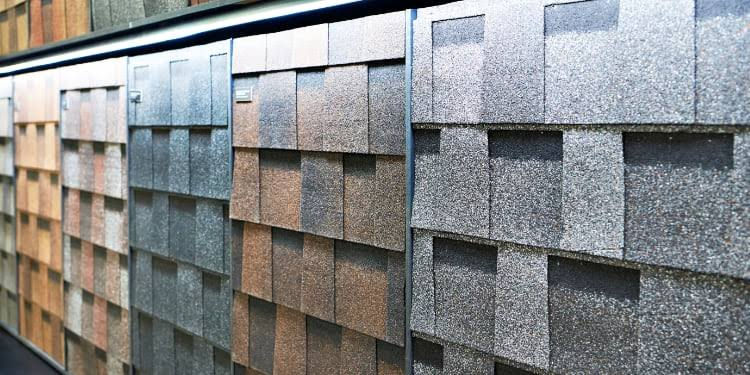
Lighter-colored shingles generally reflect more sunlight than darker colors. Owens Corning offers a wide range of color options, allowing contractors to balance energy performance with curb appeal.
Consistent Surface Coverage
Uniform granule application improves consistent reflectivity across the roof surface.
Compatibility With Ventilation Systems
Shingles are designed to work as part of a complete roofing system that includes proper ventilation.
Energy Efficient Shingle Options From Owens Corning
Not all shingles provide the same level of energy performance.
Architectural Shingles and Energy Efficiency
Architectural shingles offer improved performance over basic options.
Benefits
Thicker construction helps regulate surface temperature
Better sealing reduces heat transfer points
Improved durability supports long-term efficiency
These shingles perform well for most Pennsylvania homes when paired with proper ventilation.
Designer and Premium Shingles
Premium shingles often offer the highest energy efficiency potential.
Advantages
Enhanced granule technology
Greater material density
Improved resistance to UV breakdown
These features help maintain performance over time, especially in high-exposure areas.
Three-Tab Shingles and Energy Considerations
Three-tab shingles can still contribute to efficiency, but have limitations.
Considerations
Thinner profile absorbs heat more quickly
Lower durability can reduce long-term performance
While budget-friendly, they may not deliver the same energy benefits as higher-grade options.
The Role of Roof Color in Energy Efficiency
Color selection plays a major role in energy performance.
Lighter Colors
Lighter shades reflect more sunlight and help reduce attic heat buildup.
Darker Colors
Darker shingles absorb more heat but may still perform adequately with proper ventilation.
Balancing Style and Performance
Contractors often help homeowners choose colors that balance energy efficiency with design goals.
Ventilation’s Impact on Energy Savings
Even the most energy-efficient shingles cannot perform well without proper ventilation.
Heat Trapped in Attics
Poor ventilation allows heat to build up under the roof deck.
Moisture Control
Ventilation helps release moisture that can reduce insulation effectiveness.
Balanced Intake and Exhaust
A properly ventilated attic supports year-round energy performance.
Shingles and ventilation must work together to deliver noticeable savings.
Underlayment and Insulation Matter Too
Energy efficiency is a system-level outcome.
Underlayment Performance
Quality underlayment helps regulate temperature and moisture beneath shingles.
Attic Insulation
Insulation reduces heat transfer between living spaces and the roof.
Sealing Air Leaks
Preventing air leaks improves overall efficiency more than shingles alone.
Shingles contribute, but they are only part of the equation.
Realistic Energy Savings Expectations
Understanding what shingles can and cannot do helps set proper expectations.
What Shingles Can Do
Reduce surface heat absorption
Support lower attic temperatures
Improve overall roofing system performance
What Shingles Cannot Do Alone
Replace insulation
Eliminate energy loss without ventilation
Drastically cut energy bills by themselves
Energy efficiency improvements are incremental but meaningful over time.
Benefits for Contractors and Homeowners
Energy-efficient roofing provides value for both parties.
Homeowner Benefits
Improved comfort during hot weather
Potential reduction in cooling costs
Longer roof lifespan
Contractor Benefits
Strong selling point during estimates
Improved customer satisfaction
Fewer heat-related callbacks
Using quality materials helps contractors deliver consistent results.
Problem to Solution
Problem: Homes overheat in summer
Solution: Use reflective Owens Corning shingles and proper ventilation.
Problem: Energy bills keep rising
Solution: Improve roof system efficiency and airflow.
Problem: Attics trap excessive heat
Solution: Pair energy-efficient shingles with balanced ventilation.
Problem: Homeowners expect instant savings
Solution: Educate on realistic, long-term energy benefits.
People Also Ask
Are Owens Corning shingles energy efficient?
Yes. Many options are designed to reflect heat and reduce attic temperatures.
Do lighter shingles really save energy?
They can help reduce heat absorption during warm weather.
Is ventilation more important than shingles?
Both are important and work best together.
Can shingles lower energy bills?
They can contribute, especially when combined with insulation and ventilation.
FAQ
Do energy-efficient shingles cost more?
Some options may cost more upfront but offer long-term benefits.
Can I use energy-efficient shingles on any roof?
Yes, when installed properly and paired with good ventilation.
Do these shingles work in cold climates?
Yes. They help manage temperature year-round.
Should contractors recommend energy-efficient options?
Yes, especially for homeowners focused on comfort and efficiency.
Improve Energy Performance With the Right Roofing Materials
Energy efficiency starts at the top of the home. Owens Corning shingles contribute to better energy performance by reflecting heat, supporting ventilation, and maintaining durability over time. When installed as part of a complete roofing system, they help improve comfort and long-term value.
For contractors seeking dependable access to Owens Corning shingles, Mastic, AJC tools, and roofing supplies, contact CGR Wholesale Roofing at 412-847-7663. Our team helps you choose materials that deliver performance, efficiency, and reliability on every project.



Comments