


Is Mastic Siding a Good Option for Older Homes?
AI Summary
Mastic siding is well-suited for older homes due to its flexibility and lightweight design.
Vinyl siding adapts to aging structures without adding excess stress.
Low maintenance appeals to homeowners updating historic or aging properties.
Proper installation preserves character while improving protection.

Older homes have character, craftsmanship, and charm that many homeowners want to preserve. However, they also come with unique challenges, especially when it comes to exterior materials. Aging wall systems, settling foundations, and outdated siding materials often require thoughtful upgrades. This leads many homeowners and contractors to ask whether Mastic siding is a good option for older homes.
The answer depends on performance, adaptability, and how well the siding works with existing structures. Mastic siding is often chosen for older homes because it provides modern protection while remaining flexible enough to accommodate structural variations. When installed correctly, it enhances durability without compromising the home’s integrity.
This guide explains why Mastic siding works well for older homes and what contractors and homeowners should consider before installation.
Challenges Unique to Older Homes
Older homes differ from newer construction in several important ways.
Uneven Wall Surfaces
Decades of settling can cause walls to shift slightly, making surfaces less uniform than modern framing.
Outdated Materials
Many older homes were originally built with wood siding, asbestos siding, or other materials that require replacement or encapsulation.
Limited Insulation and Moisture Barriers
Older construction often lacks modern moisture management systems, increasing the importance of proper siding performance.
Preservation Concerns
Homeowners want to upgrade protection without losing the home’s original character.
Siding choices must address these realities.
Why Mastic Siding Works Well on Older Homes
Mastic siding offers several advantages that make it compatible with aging structures.
Lightweight Construction
Vinyl siding is lighter than materials like fiber cement or brick veneer. This reduces added stress on older wall systems and framing.
Flexibility for Settling Structures
Mastic siding is designed to expand and contract with temperature changes. This flexibility helps it adapt to minor movement common in older homes without cracking.
Adaptability During Installation
Contractors can install Mastic siding over properly prepared surfaces, making it suitable for a variety of retrofit situations.
These characteristics make installation smoother on older properties.
Moisture Protection for Aging Wall Systems
Moisture control is critical for older homes.
Vinyl Does Not Absorb Water
Unlike wood siding, Mastic siding does not absorb moisture, reducing the risk of rot behind the exterior.
Improved Drainage and Drying
Properly installed siding allows water to drain away from wall systems instead of trapping moisture.
Protection During Heavy Rain and Snow
Older homes often lack modern flashing. Quality siding helps reduce water infiltration when paired with correct trim detailing.
Moisture resistance helps extend the life of aging structures.
Preserving Appearance While Updating Protection
Many homeowners worry that vinyl siding will change the look of an older home.
Color and Style Options
Mastic siding offers a range of colors and profiles that can complement traditional architecture.
Clean Lines and Trim Integration
With proper trim selection, siding installations can maintain classic proportions and details.
Enhancing Curb Appeal
Replacing worn or damaged siding improves exterior appearance while respecting the home’s original design.
Contractors play a key role in achieving the right balance between modern performance and traditional aesthetics.
Low Maintenance Benefits for Older Homeowners
Maintenance demands are often higher in older homes.
No Painting or Staining Required
Mastic siding maintains its color without the need for repainting, reducing ongoing maintenance.
Resistance to Rot and Insects
Vinyl siding avoids common issues associated with wood siding, including rot and insect damage.
Long-Term Cost Savings
Lower maintenance needs reduce long-term ownership costs, which appeals to many homeowners.
These benefits make siding upgrades more manageable over time.
Installation Considerations for Older Homes
Proper installation is essential for success.
Wall Preparation Matters
Old siding must be removed or properly encapsulated, and walls should be inspected for damage before installation.
Addressing Insulation Upgrades
Siding replacement offers an opportunity to improve insulation and moisture barriers.
Trim and Flashing Details
Careful detailing around windows, doors, and rooflines helps protect older structures.
Experienced contractors ensure installations meet modern standards while respecting older construction.
How Mastic Siding Compares to Other Options for Older Homes
Comparing materials helps clarify why vinyl is often chosen.
Compared to Wood Siding
Wood requires frequent maintenance and is vulnerable to rot. Mastic siding eliminates these concerns.
Compared to Fiber Cement
Fiber cement is durable but heavier and more labor-intensive. Vinyl siding offers easier installation on older frames.
Compared to Aluminum Siding
Vinyl resists denting and corrosion better than older aluminum siding systems.
These comparisons highlight practical advantages.
Energy Efficiency Considerations
Siding upgrades can support energy improvements.
Improved Wall Performance
New siding systems help reduce drafts and improve comfort.
Optional Insulated Siding Options
Some Mastic siding lines offer insulated profiles that enhance thermal performance.
Complementing Existing Insulation
While siding alone does not replace insulation, it supports better energy efficiency when combined with upgrades.
Energy improvements add value to older homes.
Problem to Solution
Problem: Old siding allows moisture and drafts
Solution: Install Mastic siding for improved protection.
Problem: Walls are uneven due to settling
Solution: Use flexible siding that adapts to movement.
Problem: High maintenance costs
Solution: Choose low-maintenance vinyl siding.
Problem: Homeowners worry about losing character
Solution: Select colors and profiles that match traditional styles.
People Also Ask
Is vinyl siding good for older homes?
Yes. Vinyl siding works well when installed correctly.
Does Mastic siding damage older structures?
No. Its lightweight design reduces stress on walls.
Can siding be installed over old siding?
In some cases, yes, but proper preparation is essential.
Does new siding increase home value?
Yes. Updated siding improves curb appeal and buyer confidence.
FAQ
Can Mastic siding be used on historic homes?
It can be used when allowed by local guidelines and installed thoughtfully.
Will siding hide structural problems?
No. Underlying issues should be addressed before installation.
How long does Mastic siding last on older homes?
With proper installation, it can last decades.
Should insulation be upgraded during siding replacement?
Often, yes, as it improves comfort and efficiency.
A Smart Exterior Upgrade for Older Homes
Older homes deserve materials that protect their structure while respecting their character. Mastic siding offers durability, flexibility, and low maintenance that make it a strong option for aging properties. When installed correctly, it enhances protection, improves appearance, and reduces long-term upkeep.
For dependable access to Mastic siding, trim coils, roofing supplies, and professional tools, contact CGR Wholesale Roofing at 412-847-7663. Our team supports contractors with materials designed to perform on both new and older homes.

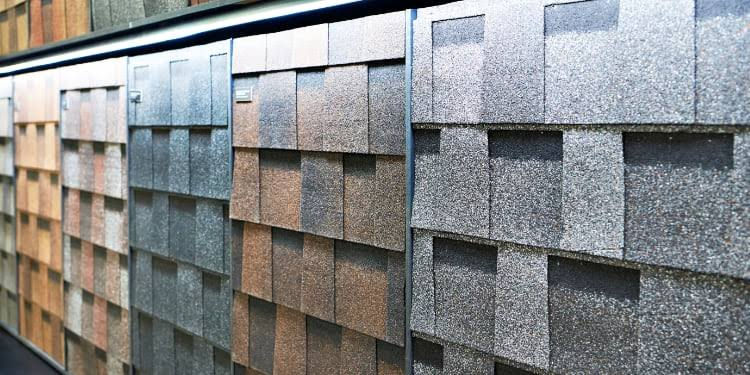


When it comes to older homes, I've always felt that the siding choice needs to balance practicality with the house's original character. Mastic can be a decent option, but you have to watch for moisture getting trapped behind it, which is a common problem with older structures. It's one of those decisions where the material itself is only half the story - the installation and the condition of the walls underneath matter just as much. Sometimes an exterior update leads to thinking about bigger changes inside, and that's where a Luxury Home Remodeling approach can bring everything together, ensuring the whole property feels updated and cohesive, not just the outside. Getting the prep work right makes all the difference