


How Long Do Asphalt Shingles Really Last?
You replaced your roof a little over a decade ago, and now a neighbor mentions their shingles are already showing granule loss. You start wondering whether yours are in the same boat, or whether the warranty you were handed at the time actually means what you think it means. It is a reasonable concern, and it comes up constantly among homeowners and contractors who want a straight answer before they commit to buying new materials.
The truth is that asphalt shingle lifespan is not a single fixed number. It varies by product type, installation quality, attic ventilation, and the specific climate demands your roof faces every season. If you are sourcing roofing materials in Western Pennsylvania, understanding what actually drives shingle longevity will help you make a smarter purchase decision. Explore the full range of Roofing Materials & Supplies available at CGR Wholesale to see how product quality plays directly into long-term performance. Keep reading, because the answer is more nuanced than the numbers on a warranty card.

What Shingle Type Actually Determines How Long Your Roof Holds Up
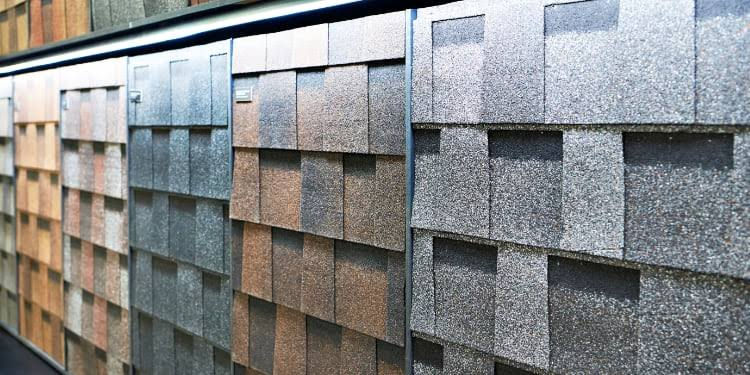
The clearest answer starts with product category. Three-tab shingles, the thinnest and most budget-focused option, typically perform for 15 to 20 years under reasonable conditions. Architectural shingles, also called dimensional or laminate shingles, are built with a heavier mat and layered construction that extends functional life to somewhere in the range of 25 to 30 years. Premium designer shingles, which mimic the look of slate or cedar shake with significantly more material weight, are rated to last 40 years or more when properly maintained.
Those numbers represent realistic performance under average conditions. Manufacturers assign lifetime limited warranties to many architectural and premium products, but that warranty language reflects coverage terms, not a guarantee that shingles will perform at full capacity indefinitely. A product rated for 30 years will reach that mark only when the roof system beneath it is doing its job. That means proper underlayment, adequate attic ventilation, and flashings installed at every penetration and transition point.
The good news is that the premium end of the architectural shingle market has become genuinely accessible. Brands like Owens Corning have developed product lines designed specifically to balance material performance with real-world durability, which is why many contractors in this region specify them by name. If you want a deeper look at how these products compare, the post How Do I Choose Between GAF and Owens Corning Shingles? lays out the differences in plain terms.
The Warranty Says 30 Years, So Why Do Some Roofs Fail in 15?
Here is what that means: a manufacturer's warranty is a contractual promise tied to specific installation and system requirements, not a prediction of how long shingles will last on your particular roof. Most warranty claims are denied because of installation issues, missing system components, or ventilation deficiencies that were present from day one. The shingle itself may be perfectly sound while the roof fails around it.
Attic ventilation is the variable most homeowners underestimate. When heat and moisture build up in an underventilated attic space, it accelerates the breakdown of shingle adhesive strips, warps decking, and dramatically shortens the service life of otherwise good materials. In Western Pennsylvania, where heating seasons are long and humidity in late summer runs high, this is not a theoretical risk. It is a documented cause of premature failure on roofs that should have lasted decades longer.
How the Roofing System Underneath Shingles Affects Their Lifespan
Shingles are the outermost layer of a system, and that system is only as strong as its weakest component. Below the shingles sits the underlayment, a layer that manages moisture infiltration when shingles are compromised by wind, ice, or foot traffic. Choosing quality underlayment is not an afterthought. It is part of what protects your decking and interior structure when conditions get extreme.
For low-slope sections, valleys, or any area prone to ice damming, a self-adhering membrane designed for modified bitumen applications offers a significant performance advantage over standard felt. Polyglass Underlayment & Low Slope Roofing products are worth understanding before any roof purchase decision, because they directly affect how long the entire assembly performs.
Ice Damming and What It Does to Shingle Performance
Western Pennsylvania winters create conditions that accelerate shingle wear in ways that summer inspections never reveal. Ice dams form at the eave line when heat from an uninsulated attic melts snow, which then refreezes at the colder roof edge. Water backs up under the shingles and works into the decking before homeowners even notice it. This cycle, repeated over multiple winters, degrades both the shingles and the structure beneath them faster than any other factor.
The practical solution at the material level is an ice-and-water shield along the eaves, combined with proper ventilation baffles to keep attic temperatures from spiking. Getting this right at the product selection stage is exactly the kind of decision that separates a 15-year roof from a 30-year roof on the same street.
Granule Loss and What It Signals About Remaining Life
Granule loss is the most visible early indicator that asphalt shingles are entering the end of their service life. Granules protect the asphalt mat from UV degradation. Once they shed in significant volume, the underlying material oxidizes and becomes brittle. You will see granule accumulation in gutters and at downspout exits well before the shingles begin to curl or crack.
Some granule shedding is normal in the first few weeks after installation as loose granules from manufacturing are washed away. Heavy, ongoing loss on a roof under 20 years old points to either a product quality issue or a ventilation problem worth addressing before the next purchase.
What Western Pennsylvania Homeowners in Belle Vernon and Rostraver Need to Know
The climate across the Mon Valley and surrounding communities puts real demands on roofing materials. Freeze-thaw cycles through winter, heavy spring rain, and summer heat that pushes into the 90s all stress asphalt in ways that purely southern or coastal climates do not. Shingle products rated for Class 4 impact resistance and high wind uplift ratings are not overbuilt for this region. They are appropriate choices given what Western Pennsylvania roofs actually face each year.
Belle Vernon, Rostraver Township, and the communities stretching toward Pittsburgh share similar elevation and microclimate characteristics. Homes on hillsides or with north-facing roof planes see more persistent moisture and shade, which can encourage algae growth that is itself a signal of material breakdown. Algae-resistant shingles with copper-infused granules are a practical upgrade for these situations, and they are available across the product lines that CGR Wholesale stocks locally.
What You Should Budget for Quality Shingles, and How to Think About It
Material cost varies significantly by product tier, shingle weight, and whether you are buying architectural or premium designer products. Rather than quoting a price that may not reflect current market conditions, the more useful frame is this: the difference in material cost between a base three-tab shingle and a quality architectural product is often recovered in the extended lifespan alone. Spending more per square on materials that last 10 additional years is not a luxury decision for most budgets. It is a straightforward value calculation.
If you want to understand exactly what different shingle grades cost on a per-square basis, the post How Much Do Asphalt Shingles Cost Per Square in 2026? is a useful companion to this one. For current pricing on Owens Corning Shingles and other products in stock, calling or stopping by is the fastest way to get accurate figures.
FAQ
How long do architectural asphalt shingles actually last?
Architectural asphalt shingles typically last between 25 and 30 years under normal conditions, though premium laminate products from major manufacturers can extend that range to 40 years or more. Actual performance depends heavily on attic ventilation, the quality of the underlayment system, and local climate exposure, so the same shingle can perform very differently from one roof to the next.
Does a lifetime warranty mean the shingles will last forever?
A lifetime limited warranty does not guarantee permanent performance. It means the manufacturer will cover material defects under specific conditions, typically requiring proper installation, a complete roofing system from the same manufacturer, and ventilation that meets code. If any of those conditions are missing, the warranty may not apply even if the shingles fail prematurely.
How can I tell if my asphalt shingles are near the end of their life?
The clearest signs are significant granule accumulation in gutters, curling or cupping at shingle edges, and visible cracking or brittleness across the surface. Darker streaking from algae growth is an early warning worth monitoring, and any sections where shingles have lifted or separated from their adhesive strips signal that the material's service life is winding down.
Are there asphalt shingles that perform better in Western Pennsylvania winters?
Yes. Shingles rated for Class 4 impact resistance handle hail and debris impact better than standard products, and shingles with high wind uplift ratings are worth specifying in areas prone to winter storm gusts. For any Western Pennsylvania home, an ice-and-water shield along the eaves combined with a quality self-adhering underlayment at vulnerable areas makes a meaningful difference in how the shingle system performs across freeze-thaw cycles.
Is it worth paying more for premium shingles over standard three-tab products?
For most homeowners in Western PA, yes. Three-tab shingles are thinner, lighter, and generally rated for a shorter service life. Architectural and premium products offer better wind resistance, a more layered appearance, and a longer practical lifespan. The additional material cost is often justified when you compare the total value over the life of the roof rather than the upfront price per square alone.
Does CGR Wholesale carry the shingles and roofing materials I need in stock?
CGR Wholesale Roofing and Siding Supply Center stocks name-brand shingles, underlayment, and roofing accessories locally in Rostraver Township, so contractors and homeowners across Western Pennsylvania can get what they need without waiting on distant distributors. Call ahead or stop by to check current inventory and get accurate pricing for your specific project scope.
Get the Right Shingles for Your Western PA Roof at CGR Wholesale
Contractors and homeowners across the Mon Valley and greater Pittsburgh area have relied on CGR Wholesale Roofing and Siding Supply Center for dependable access to quality roofing materials that are stocked locally and available when projects demand them. Whether you are sourcing shingles for a straightforward residential replacement or spec-ing out a full roofing system for a larger project, the product knowledge and inventory depth here are built around what Western Pennsylvania roofs actually need.
Making a smart shingle purchase starts with understanding what you are buying and how it will perform over time, and that is exactly the kind of conversation we welcome at our Rostraver Township location. Do not guess at what grade of product fits your project or your budget. Bring your square footage, your roof pitch, and your questions, and we will point you toward the right materials.
Visit CGR Wholesale Roofing & Siding Supply Center or call 724-268-3671 today. Get the roofing materials you need from a local supply center that stocks what Western Pennsylvania projects demand. Contact us for more information.



Comments