


How Your Siding Choice Affects Energy Efficiency in Pennsylvania
AI Summary
Proper siding selection can reduce Pennsylvania home energy costs by providing superior insulation and weatherproofing against harsh winters.
Insulated vinyl siding and fiber cement options offer the best thermal performance for Pennsylvania's climate conditions.
Professional installation with quality underlayment and proper sealing maximizes any siding material's energy efficiency potential.
Energy efficient siding investments typically pay for themselves through reduced heating and cooling costs within 7-10 years.
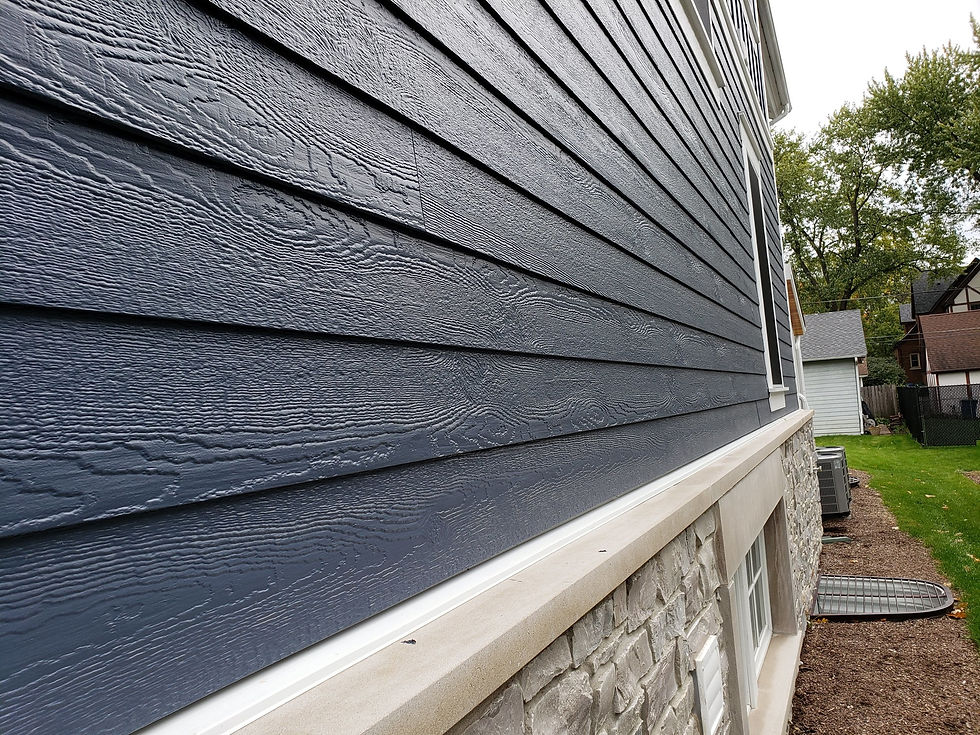
Pennsylvania homeowners face some of the highest energy costs in the Northeast, with winter heating bills often consuming 40% of monthly household budgets. Your home's exterior envelope plays a critical role in keeping conditioned air inside where it belongs.
The harsh reality is that poorly chosen or aging siding allows precious heated air to escape during brutal Pennsylvania winters, forcing your HVAC system to work overtime. The good news is that modern siding materials offer remarkable thermal performance improvements. Quality materials from suppliers like roofing materials & supplies providers in Rostraver Township, PA can dramatically reduce your energy consumption year-round.
Why Siding Energy Efficiency Pennsylvania Matters for Local Homeowners
Siding energy efficiency Pennsylvania becomes crucial when you consider the state's extreme temperature swings and extended heating seasons. Western Pennsylvania experiences freezing temperatures for nearly five months annually, creating constant thermal stress on exterior building materials.
Beyond comfort, energy efficient siding directly impacts your wallet. Pennsylvania's average residential electricity rates exceed national averages, making every BTU of escaped heat costly. Proper siding selection creates a thermal barrier that maintains consistent indoor temperatures while reducing strain on heating and cooling systems throughout the challenging Pennsylvania climate.
Key Siding Materials That Maximize Energy Efficiency
Modern siding technology offers several high performance options specifically engineered for thermal efficiency. Each material provides distinct advantages for Pennsylvania's demanding weather conditions.
Insulated vinyl siding includes integrated foam backing that creates continuous thermal protection
Fiber cement siding offers superior durability with excellent insulation properties when properly installed
Engineered wood siding provides natural insulation while resisting moisture infiltration
Metal siding with thermal breaks prevents heat transfer through conductive materials
Stone veneer systems create thermal mass that stabilizes interior temperatures
Understanding Thermal Performance in Pennsylvania Climate
Pennsylvania's climate zone requirements demand siding systems that perform reliably across temperature extremes ranging from below zero to over 90 degrees Fahrenheit. Thermal bridging becomes a critical concern where siding connects to structural elements.
The most effective approach combines high performance siding materials with proper installation techniques. This includes continuous insulation layers, weather resistant barriers, and sealed connections that prevent air infiltration around windows, doors, and penetrations.
Insulation Value and R-Ratings
Standard vinyl siding provides minimal thermal resistance, typically achieving R-2 to R-3 ratings. Insulated vinyl options dramatically improve performance with R-5 to R-6 ratings through integrated foam backing systems.
Fiber cement and engineered wood materials rely heavily on underlying insulation systems for thermal performance. When combined with continuous exterior insulation, these materials can achieve effective R-values exceeding R-10 across the entire wall assembly.
Air Sealing and Moisture Management
Pennsylvania's freeze-thaw cycles create unique challenges for siding performance. Proper installation includes comprehensive air sealing around all penetrations and connection points to prevent infiltration.
Moisture management becomes equally important as trapped water can freeze and expand, compromising both structural integrity and thermal performance. Quality polyglass underlayment & low slope roofing systems provide the weather resistant barrier necessary for long-term performance.
Installation Factors That Affect Energy Performance
Professional installation techniques significantly impact final energy performance regardless of material selection. Proper fastening, alignment, and sealing determine whether your siding investment delivers promised energy savings.
Critical installation elements include continuous weather resistant barriers, proper flashing around openings, and thermal break installation where siding connects to structural elements. Many homeowners discover that installation quality matters more than material selection for achieving optimal thermal performance.
Cost Considerations and Energy Savings Timeline
Premium energy efficient siding materials typically cost 15-30% more than standard options upfront. However, reduced energy consumption creates measurable monthly savings that accumulate over time.
Most Pennsylvania homeowners recover additional siding investment costs through energy savings within 7-10 years. Homes with older, inefficient siding often see immediate improvements of 10-20% in heating and cooling costs after upgrading to modern energy efficient materials.
Insulated vinyl siding upgrades average $12,000-18,000 for typical homes
Fiber cement installations range $15,000-25,000 depending on home size
Energy savings typically reduce monthly utility bills by $50-150 during peak seasons
People Also Ask
How much can energy efficient siding reduce heating costs in Pennsylvania?
Energy efficient siding typically reduces Pennsylvania heating costs by 10-20% annually through improved thermal performance and air sealing. Homes with particularly old or damaged existing siding may see even greater savings.
What is the best siding material for Pennsylvania winters?
Insulated vinyl siding and fiber cement perform exceptionally well in Pennsylvania winters due to superior thermal resistance and moisture management capabilities. Both materials handle freeze-thaw cycles while maintaining consistent insulation properties.
Do I need special installation techniques for energy efficient siding?
Yes, energy efficient siding requires continuous weather barriers, proper thermal breaks, and comprehensive air sealing around all connections. Professional installation ensures optimal thermal performance and prevents moisture infiltration issues.
How long does energy efficient siding last in Pennsylvania climate?
Quality energy efficient siding materials typically last 30-50 years in Pennsylvania's climate when properly installed and maintained. Regular inspections and minor maintenance extend lifespan while preserving energy performance benefits.
FAQ
Should I upgrade my siding if my current material looks fine?
Even attractive older siding may lack modern thermal performance features that significantly impact energy costs. Consider upgrading if your home experiences drafts, ice dams, or high heating bills despite good HVAC maintenance.
Can I install energy efficient siding over existing materials?
Some siding types allow installation over existing materials, but thermal performance often improves with complete removal and fresh installation. Professional evaluation determines the best approach for your specific situation and energy goals.
What preparation work does energy efficient siding installation require?
Proper preparation includes structural inspection, moisture barrier installation, and addressing any underlying insulation gaps. Quality suppliers ensure you have all necessary materials including proper fasteners and sealing components.
How do I maintain energy efficient siding performance over time?
Annual inspection for damage, prompt repair of cracks or gaps, and cleaning to prevent moisture buildup maintain optimal energy performance. Most modern materials require minimal maintenance while delivering consistent thermal benefits.
Get Professional Siding Materials for Maximum Energy Efficiency
Choosing the right siding materials makes a measurable difference in your Pennsylvania home's energy performance and comfort levels year-round. Quality materials properly installed create lasting thermal protection that reduces utility costs while increasing home value in Rostraver Township, PA markets.
Our team has helped countless Western Pennsylvania contractors and homeowners select optimal siding solutions for local climate demands. Whether you are planning Transform Your Home with CGR Wholesale Roofing & Siding Supply Center's Products This Summer or preparing for winter weather protection, we stock the high performance materials that deliver proven energy savings.
Visit CGR Wholesale Roofing & Siding Supply Center or call 724-268-3671 today. Our knowledgeable team helps you select materials that maximize thermal performance for your specific project requirements. Contact us for more information.



Comments