


Why Do Roofing Quotes Vary So Much?
AI Summary
Roofing quotes vary due to material quality, labor rates, and project scope.
Roof complexity, tear-off needs, and hidden damage impact pricing.
Some quotes exclude important components such as flashing or ventilation.
Comparing detailed breakdowns helps homeowners evaluate value, not just price.

It is common for homeowners to receive multiple roofing quotes that differ by thousands of dollars. At first glance, this can be confusing. If the roof size appears similar and the work seems the same, why does one estimate come in significantly lower or higher than another?
The truth is that roofing quotes vary because not all contractors price projects the same way. Differences in materials, labor quality, overhead, and project scope can dramatically impact the final number. Understanding these variables helps homeowners make informed decisions and avoid focusing solely on the lowest bid.
This guide explains why roofing quotes vary so much and what to look for when comparing estimates.
Differences in Material Quality
One of the biggest reasons quotes vary is material selection.
Shingle Type
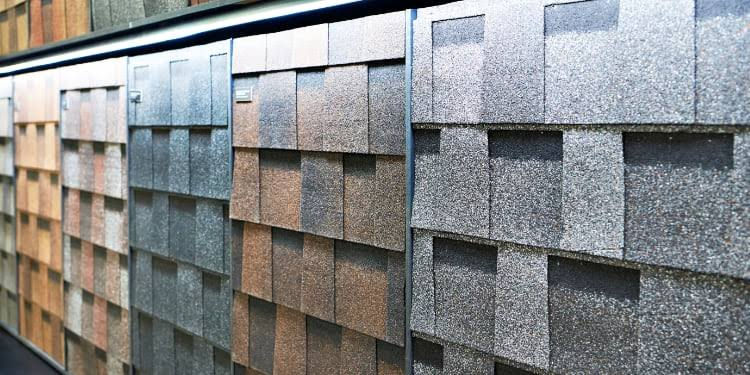
3-tab shingles cost less than architectural shingles. Premium designer shingles cost even more.
Underlayment
Some contractors include high-quality synthetic underlayment, while others may use basic felt.
Ice and Water Protection
An ice barrier membrane may be required in certain areas. Some quotes include full coverage while others provide minimal protection.
Flashing and Accessories
Replacing flashing, ridge caps, and starter shingles adds cost but improves durability.
A lower quote may reflect lower-grade materials.
Labor Rates and Crew Experience
Labor is a major portion of the roofing cost.
Skilled Versus Inexperienced Crews
Experienced crews command higher wages but often deliver better workmanship.
Safety Compliance
Proper safety equipment and insurance increase overhead but reduce liability risk.
Installation Time
Rushed installations may reduce labor costs but increase future repair risk.
Labor pricing reflects crew quality and company standards.
Roof Complexity and Accessibility
Two roofs with the same square footage may not cost the same.
Roof Pitch
Steeper roofs require more safety precautions and labor time.
Multiple Valleys and Dormers
Complex rooflines increase installation difficulty.
Access Challenges
Limited driveway space or landscaping obstacles may increase labor effort.
Complex roofs typically result in higher estimates.
Tear-Off and Disposal Differences
Some quotes include full tear-off, while others may suggest overlay.
Full Tear-Off
Removing old shingles allows for deck inspection and proper installation.
Overlay Installation
Installing over existing shingles reduces labor cost but may not be ideal long-term.
Disposal Fees
Dumpster rental and disposal fees vary by contractor.
Clarifying tear-off details is essential when comparing quotes.
Hidden Damage and Contingency Planning
Not all damage is visible before the tear-off.
Deck Repairs
Rot or water damage may require plywood replacement.
Structural Corrections
Older homes may need reinforcement or code updates.
Some contractors build contingencies into estimates, while others address repairs after work begins.
Company Overhead and Business Model
Company structure influences pricing.
Insurance and Licensing
Properly insured contractors have higher operating costs.
Office Staff and Administration
Established companies often maintain support staff.
Warranty Support
Companies offering long-term service and warranty support may price accordingly.
Lower overhead may reduce pricing but could impact long-term support.
Warranty Differences
Warranty coverage affects estimate totals.
Manufacturer Warranty Levels
Upgraded warranties may require full roofing system installation.
Workmanship Warranty
Some contractors offer extended workmanship guarantees.
Stronger warranties may increase upfront cost but add long-term protection.
Seasonal Demand and Market Conditions
Timing influences pricing.
Peak Season Demand
Higher demand during warmer months can impact availability and pricing.
Material Price Fluctuations
Shingles and metal costs fluctuate based on supply and manufacturing conditions.
Market factors may cause price differences between estimates.
Problem to Solution
Problem: Confusing price differences
Solution: Compare detailed material specifications and labor scope.
Problem: Extremely low bids
Solution: Evaluate whether key components are excluded.
Problem: Fear of overpaying
Solution: Assess long-term durability and warranty coverage.
Problem: Unexpected add-on charges
Solution: Request written clarification of what is included.
People Also Ask
Should I choose the lowest roofing quote?
Not always. Lower bids may exclude important components.
Why is one quote thousands more than another?
Material quality, labor standards, and warranty coverage vary.
Are more expensive quotes always better?
Not necessarily, but they may include higher-quality materials or services.
Can I negotiate roofing quotes?
Some flexibility may exist, but quality should not be compromised.
FAQ
What should a roofing estimate include?
Materials, labor, tear-off details, flashing, ventilation, and cleanup.
How many quotes should I get?
Three estimates are common for comparison.
Do all contractors use the same materials?
No. Material quality varies by company.
Why do prices change between estimates and installation?
Material price fluctuations or hidden damage may affect the final cost.
Comparing Roofing Quotes the Right Way
Roofing quotes vary because not all contractors use the same materials, labor standards, or project scope. Differences in shingle quality, underlayment, flashing, tear-off, and warranty coverage all influence the final number. Rather than focusing solely on price, homeowners should compare detailed breakdowns and evaluate long-term value.
For dependable access to high-quality roofing materials and professional guidance, contact CGR Wholesale Roofing at 412-847-7663. Our team supports contractors and homeowners with reliable products designed for performance, durability, and lasting protection.



Ball88 hôm bữa mình lướt thử vì thấy mấy đứa bạn nhắc, kiểu tò mò giao diện thôi chứ không ngồi chơi hay đọc kỹ gì. Vào cái là thấy trang làm khá sáng sủa, khoảng trắng vừa đủ nên nhìn không bị bí. Mình thích nhất là cách họ chia nội dung theo từng khối rõ ràng, nhìn lướt qua là biết chỗ nào là thông tin chính, chỗ nào là phần phụ. Menu đặt ngay chỗ dễ thấy nên mình bấm qua lại vài mục cũng nhanh, không phải mò lâu. Chữ với tiêu đề cũng gọn, không nhồi nhét nên kéo xuống vẫn nhẹ mắt. Nói chung chỉ xem vài phút mà quen tay liền, nhất là…
hitclub hôm bữa mình thấy mấy đứa bạn nói qua nên tiện tay vào nghía thử thôi, kiểu xem giao diện có rối không. Vừa vào là thấy họ chia nội dung theo từng khối khá rõ, kéo xuống không bị “ngợp chữ”, mấy mục quan trọng nằm ngay tầm mắt nên bấm qua lại cũng nhanh. Mình không rành mấy thứ kỹ thuật nhưng có lướt thấy họ ghi vụ kiểm định RNG khá dễ hiểu, nhắc iTech Labs với GLI nên nhìn cái là biết họ đang nói về tính ngẫu nhiên công bằng. Phần bảo mật cũng không giấu đâu xa, có một ô riêng nói SSL 256-bit kèm OTP hai lớp nên khỏi phải đi tìm…
https://tylebong88.com/ mình ghé thử cho biết vì thấy mấy người trong nhóm hay nhắc, chủ yếu tò mò xem trang họ làm kiểu gì. Vào cái là thấy bố cục khá gọn, không bị rối mắt, phần tiêu đề “Chào Mừng Đến WEbsite Của Chúng Tôi” để ngay trên nên đọc một phát là hiểu trang đang nói về gì. Mình lướt xuống thì thấy có mấy ô nội dung dạng “Review / Visit” xếp thành khối, nhìn qua là nhận ra đây là chỗ tổng hợp đánh giá nhà cái kèm thông tin khuyến mãi cơ bản. Không cần bấm nhiều vẫn nắm được ý chính, kiểu hợp với ai chỉ muốn xem nhanh. Nói chung trải nghiệm lướt…