


How Durable Is Mastic Siding Over Time?
AI Summary
Mastic siding is engineered for long-term durability in changing climates.
Resistance to moisture, fading, and impact helps maintain performance over decades.
Proper installation and trim detailing play a major role in longevity.
Contractors benefit from fewer callbacks and consistent results over time.
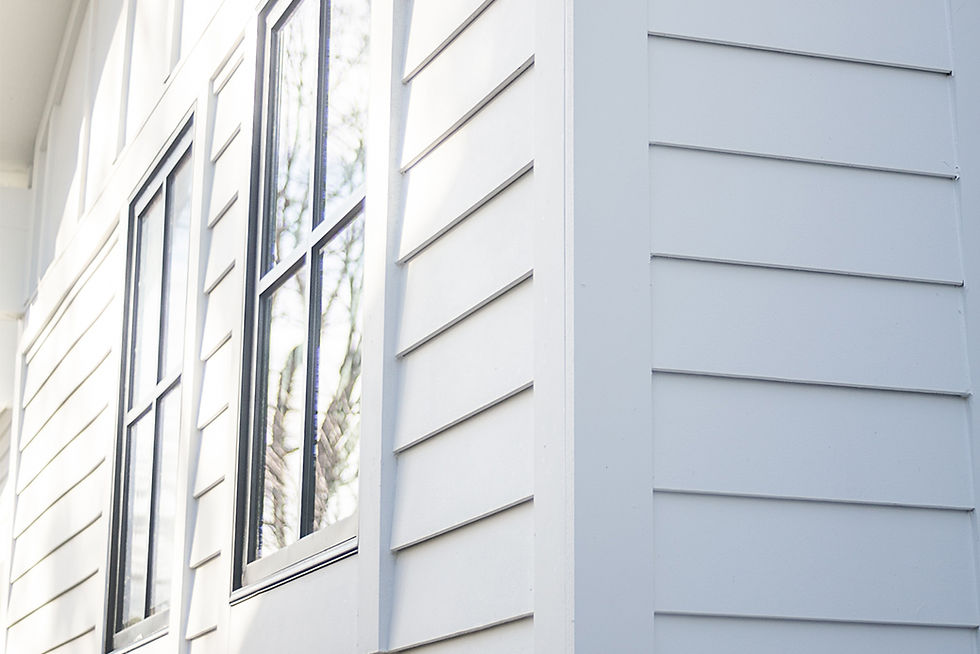
When homeowners invest in new siding, one of their biggest concerns is how well it will hold up year after year. Contractors hear this question often, especially in regions like Western Pennsylvania, where siding faces rain, snow, humidity, and wide temperature swings. This is why durability over time is one of the strongest reasons contractors recommend Mastic siding.
Durability is not just about how siding looks right after installation. It is about how well it resists fading, warping, cracking, and moisture damage over decades of exposure. Mastic siding has built a reputation for consistent long-term performance, making it a dependable option for both remodels and new construction.
This guide explains how durable Mastic siding really is over time, what contributes to its longevity, and why contractors continue to trust it for residential projects.
What Durability Means for Residential Siding
Durability goes beyond surface appearance.
Resistance to Weather Exposure
Siding must handle rain, snow, wind, and sunlight without breaking down prematurely.
Structural Stability
Durable siding maintains its shape and attachment without warping or buckling.
Long-Term Appearance
Color retention and surface integrity matter just as much as physical strength.
Protection of the Home
Siding acts as a barrier that helps protect wall systems, insulation, and framing.
Contractors choose siding that performs in all these areas, not just one.
How Mastic Siding Is Engineered for Longevity
The long-term durability of Mastic siding comes from how it is designed and manufactured.
Strong Vinyl Composition
Mastic siding uses high-quality vinyl formulations that resist cracking and brittleness over time. This flexibility allows the siding to expand and contract with temperature changes without failing.
Thickness and Rigidity
Proper thickness adds strength without making panels difficult to install. This balance helps siding withstand wind pressure and minor impacts.
Precision Manufacturing
Consistent sizing and locking profiles help panels stay secure and aligned for years after installation.
These design choices directly affect how siding performs long-term.
Performance in Pennsylvania Weather Conditions
Western Pennsylvania presents a challenging environment for exterior materials.
Moisture Resistance
Rain and snow are common throughout the year. Mastic siding does not absorb moisture, which helps prevent rot and swelling behind the panels.
Freeze and Thaw Cycles
Repeated freezing and thawing can stress exterior materials. Mastic siding maintains flexibility, reducing the risk of cracking during temperature swings.
Wind Exposure
Properly installed siding must resist wind uplift. Mastic siding’s locking system helps keep panels secure during storms.
Sun and UV Exposure
Sunlight can cause fading and brittleness over time. Mastic siding is designed to resist UV damage, helping colors remain consistent.
These qualities make it well-suited for long-term use in the region.
Color Retention Over the Years
A durable siding product must look good long after installation.
Fade Resistance
Mastic siding incorporates color throughout the material rather than relying solely on surface coatings. This helps maintain appearance even after years of sun exposure.
Consistent Appearance
Uniform color from panel to panel reduces noticeable variation as siding ages.
Reduced Maintenance
Homeowners appreciate siding that does not require repainting or staining to stay attractive.
Color stability contributes significantly to perceived durability.
Impact Resistance and Everyday Wear
Siding faces more than just weather.
Resistance to Minor Impacts
Mastic siding is designed to handle everyday impacts such as lawn equipment debris or small hail without cracking.
Surface Integrity
The siding surface resists denting better than thinner or lower-grade alternatives.
Long-Term Structural Performance
Panels that remain intact continue protecting the home’s exterior layers.
This resilience helps extend siding lifespan.
Installation Quality and Its Effect on Durability
Even the most durable siding requires proper installation.
Proper Spacing and Fastening
Allowing room for expansion and contraction prevents warping and buckling.
Trim and Accessory Integration
Using compatible trim coils and accessories creates clean edges and helps prevent water intrusion.
Wall Preparation
A solid, properly prepared wall surface supports siding performance over time.
Contractors who follow best practices see better long-term results.
How Mastic Siding Compares Over Time
Durability becomes clearer when comparing siding options.
Compared to Wood Siding
Wood siding requires frequent maintenance and is vulnerable to rot and insects. Mastic siding avoids these issues entirely.
Compared to Fiber Cement
Fiber cement is durable but heavier and more labor-intensive to install. Vinyl siding like Mastic offers long-term durability with less labor strain.
Compared to Lower-Grade Vinyl
Not all vinyl siding performs equally. Mastic siding stands out for consistency, thickness, and long-term color performance.
These comparisons help contractors explain value to homeowners.
Expected Lifespan of Mastic Siding
While exact lifespan varies, Mastic siding is built to last decades when installed correctly.
Factors That Extend Lifespan
Proper installation
Quality trim and flashing
Regular exterior inspections
Good drainage around the home
Signs of Long-Term Performance
Homes with Mastic siding often show minimal fading, warping, or cracking even after many years.
This longevity supports strong homeowner satisfaction.
Problem to Solution
Problem: Siding fades or warps after a few years
Solution: Install Mastic siding engineered for UV resistance and flexibility.
Problem: Homeowners worry about long-term maintenance
Solution: Use durable vinyl siding that requires minimal upkeep.
Problem: Weather causes premature wear
Solution: Choose siding designed for moisture and temperature resistance.
Problem: Contractors face callbacks
Solution: Use consistent, high-quality siding materials.
People Also Ask
How long does Mastic siding last?
With proper installation, it can last several decades.
Does Mastic siding fade over time?
It is designed to resist fading better than many alternatives.
Is vinyl siding durable in cold climates?
Yes. Quality vinyl siding remains flexible in cold weather.
Does installation affect siding lifespan?
Absolutely. Proper installation is critical.
FAQ
Can Mastic siding crack in winter?
It is engineered to remain flexible and resist cracking.
Is Mastic siding good for older homes?
Yes. It performs well on both older and newer structures.
Does vinyl siding need repainting?
No. It maintains its color without painting.
How often should siding be inspected?
Annual inspections help catch minor issues early.
Long-Term Durability Contractors Can Rely On
Durability over time is one of the strongest reasons contractors continue to choose Mastic siding. Its resistance to weather, fading, moisture, and everyday wear helps homes look good and stay protected for decades. When installed correctly, it delivers reliable performance that benefits both contractors and homeowners.
For dependable access to Mastic siding, trim coils, roofing supplies, and professional tools, contact CGR Wholesale Roofing at 412-847-7663. Our team supports contractors with materials built to last and perform year after year.



Comments